
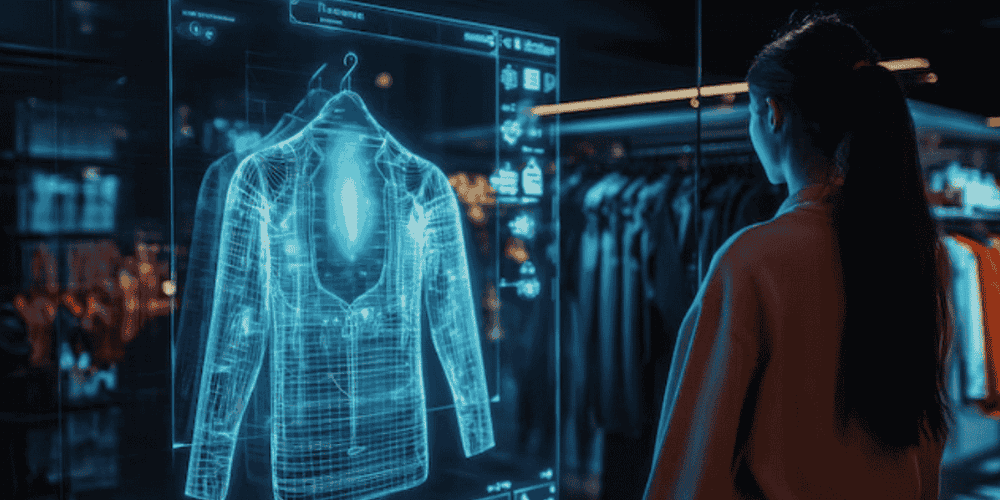
The fashion retail landscape is undergoing a rapid transformation, driven by the increasing adoption of artificial intelligence. As consumer expectations continue to evolve, brands are no longer competing on products alone but on experience, speed, and personalization. This is where AI in fashion retail industry becomes a game changer.
What is AI in the fashion retail industry?
AI in the fashion retail industry refers to the application of artificial intelligence technologies such as machine learning, computer vision, and data analytics to automate processes, enhance customer experiences, and support more accurate decision-making.
By processing and analyzing large volumes of data, AI enables brands to predict consumer trends, personalize product recommendations, optimize inventory management, and improve operational efficiency. As a result, businesses can respond more quickly to market changes, strengthen their competitiveness, and deliver a more customer-centric shopping experience.
Benefits of AI in the Fashion Retail Industry
Applying AI in the fashion retail industry brings a wide range of benefits, helping brands enhance customer experience and optimize overall operations.
Hyper-personalized shopping experiences
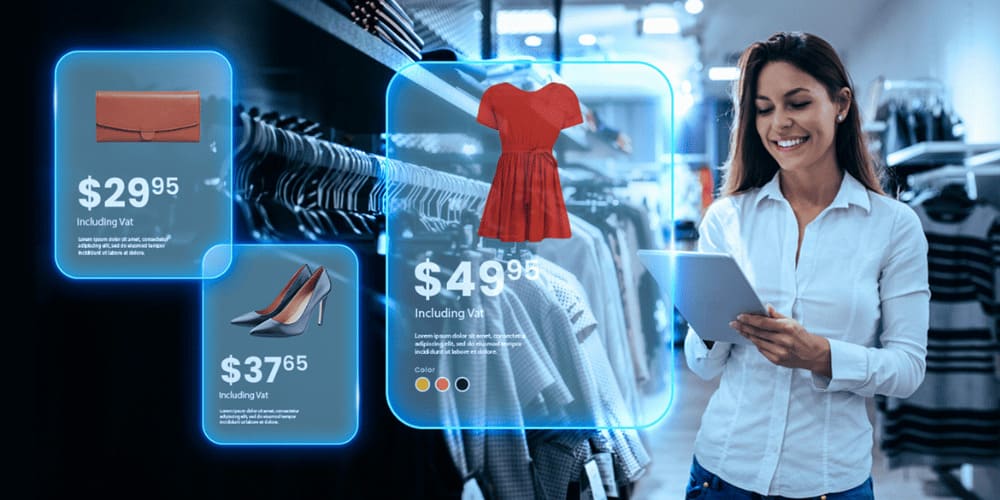
AI analyzes customer behavior data – such as purchase history, browsing activity, and engagement patterns – to deliver tailored product recommendations. This creates a more personalized shopping journey, increasing customer engagement and improving conversion rates.
Accurate demand forecasting
By processing market data, search trends, and consumer behavior, AI enables brands to predict demand more precisely. This helps reduce overstock and stockouts, ultimately improving inventory efficiency and business performance.
Operational efficiency
AI automates key processes such as inventory management, pricing optimization, and customer service. By reducing manual tasks, businesses can save time, lower operational costs, and enhance overall productivity.
Reduced returns and improved satisfaction
Technologies like accurate size recommendations and virtual try-ons help customers make better purchasing decisions. As a result, return rates decrease while overall customer satisfaction and shopping experience improve.
>> Read more: AI Promotion Optimization: Maximize Retail Profits & Margins
Key Applications of AI in the Fashion Retail Industry
AI-Powered Design & Sketch-to-Image Conversion
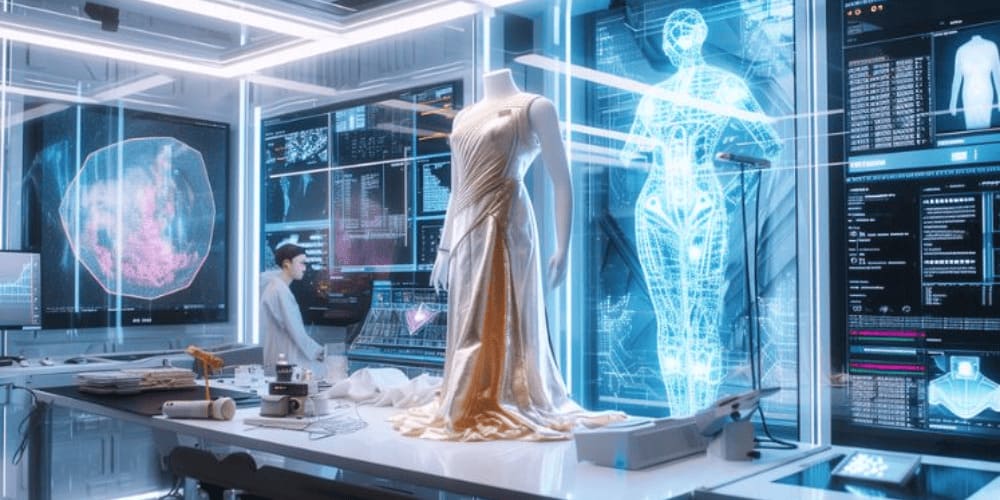
AI is transforming the creative process by enabling designers to convert sketches, mood boards, or even text prompts into realistic garment visuals. By leveraging generative AI and historical design data, brands can quickly test multiple variations of styles, colors, and fabrics.
This not only shortens design cycles but also ensures that collections are more aligned with market demand before production even begins.
Virtual Try-On & Smart Fitting Rooms
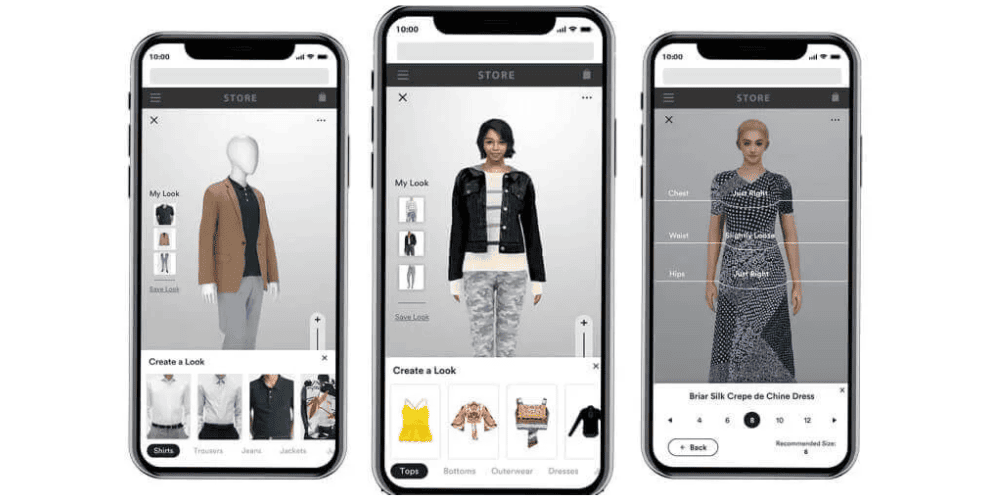
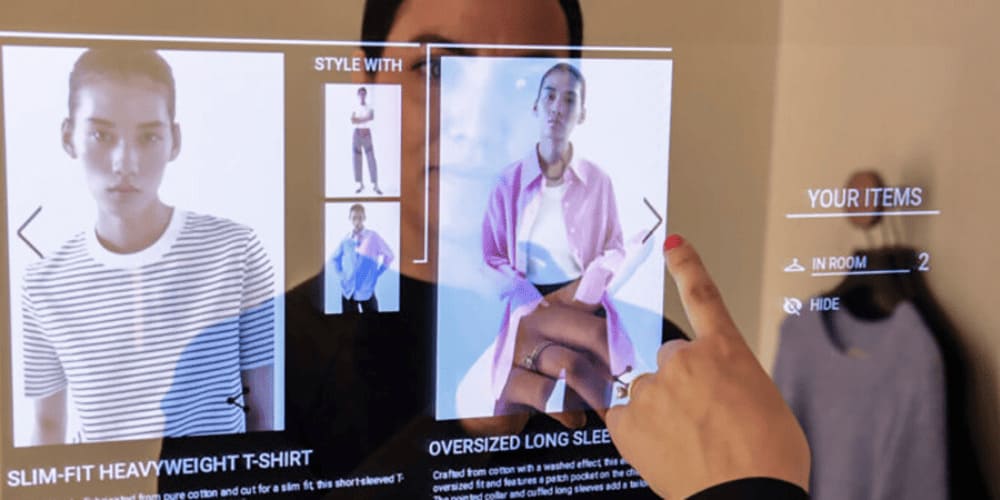
By leveraging AR and computer vision, AI enables customers to accurately visualize how clothing items will look and fit without trying them on physically. In-store smart fitting rooms can also recommend suitable sizes or suggest alternative products in real time.
These technologies make the shopping experience more intuitive and convenient, reduce hesitation during decision-making, and ultimately increase customer confidence while lowering return rates.
AI-Driven Customer Personalization
AI uses data from multiple touchpoints – such as browsing behavior, purchase history, and engagement patterns – to create highly personalized shopping journeys. It can recommend products, curate outfits, and tailor homepage content or promotions for each user.
This level of personalization not only improves customer satisfaction but also significantly increases conversion rates and average order value.
Visual Search for Fashion Products
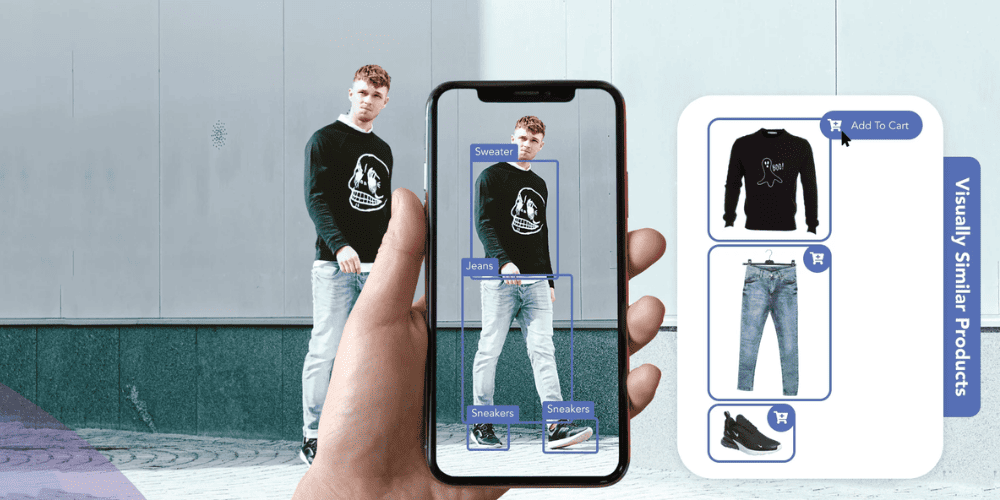
Visual search technology enables customers to upload images or screenshots to find similar products instantly. AI analyzes visual elements like color, pattern, texture, and silhouette to deliver accurate matches.
As a result, the search process becomes more intuitive and natural, especially for users who shop based on inspiration rather than keywords.
AI Shopping Assistants & Chatbots
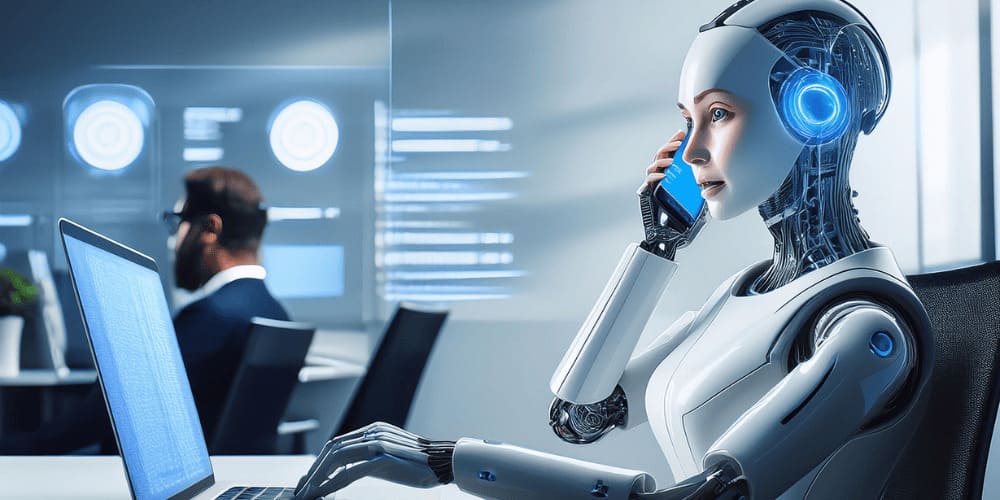
AI-powered chatbots and virtual assistants provide instant, 24/7 customer support across websites and messaging platforms. Beyond answering basic questions, they can suggest outfits, provide styling advice, and guide users through product selection.
This not only enhances the shopping experience but also reduces the workload on human support teams.
AI-Based Fashion Trend Forecasting
AI tools analyze vast datasets from social media, influencer content, search trends, and past sales to identify emerging fashion trends early. Retailers can use these insights to make informed decisions about design, inventory, and marketing strategies. As a result, brands can stay ahead of trends and reduce the risks associated with overproduction.
AI in Post-Sales Customer Support
After a purchase, AI continues to play a key role in enhancing the customer experience by automating post-sales processes such as order tracking, return management, and feedback collection. Intelligent systems can proactively send updates on delivery status, handle common requests instantly, and resolve issues more efficiently.
By streamlining these interactions, AI not only reduces response time and operational workload but also improves customer satisfaction and strengthens long-term brand loyalty.
AI-Powered Inventory Management
AI enables real-time inventory optimization by predicting demand at a granular level – by location, channel, and even individual products. It helps retailers maintain the right stock levels, reduce excess inventory, and avoid stockouts. This leads to better cash flow management and improved operational efficiency.
AI in Supply Chain & Production Management
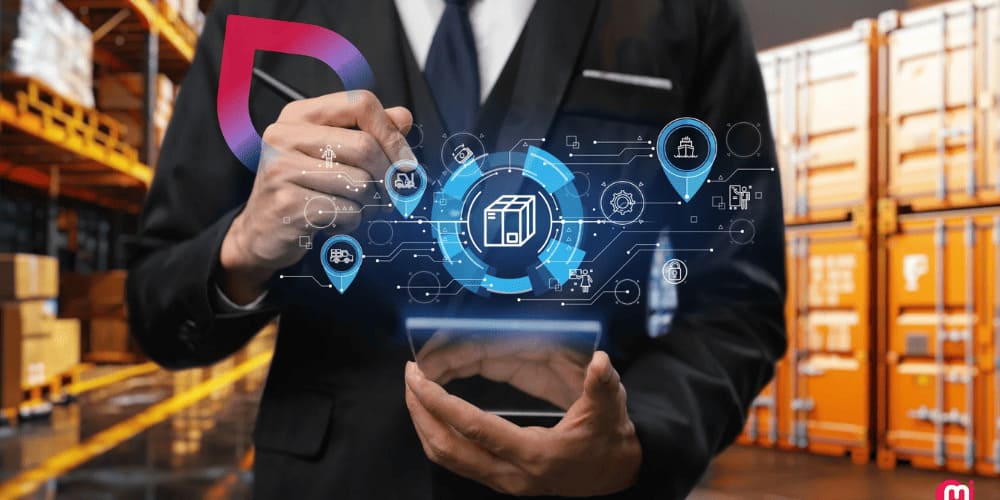
AI inventory management enhances supply chain operations by forecasting demand, optimizing production schedules, and identifying bottlenecks. It can also recommend the most efficient sourcing and logistics strategies.
This results in faster production cycles, reduced costs, and greater resilience in a highly dynamic fashion market.
AI-Based Dynamic Pricing & Revenue Optimization
AI algorithms continuously analyze factors such as demand fluctuations, competitor pricing, and customer behavior to adjust prices in real time. This allows retailers to maximize margins, optimize discount strategies, and remain competitive without manual intervention.
AI-Powered Marketing for Fashion Retail
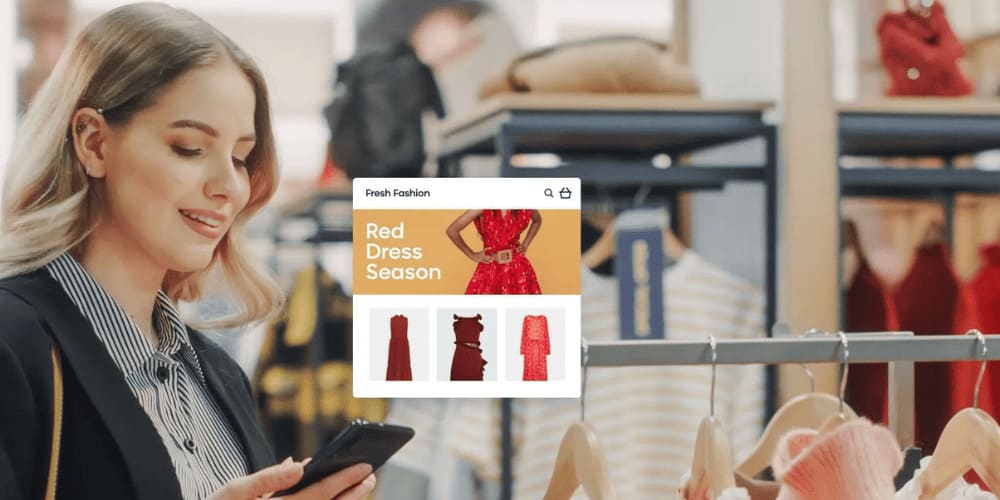
AI helps brands create more effective marketing campaigns by analyzing audience data and predicting customer preferences. It enables precise ad targeting, personalized email marketing, and automated content generation. This leads to higher engagement rates, better ROI, and more efficient use of marketing budgets.
Fraud Detection & Security with AI
AI systems monitor transactions and user behavior to detect anomalies that may indicate fraud. By identifying suspicious activities in real time, retailers can prevent financial losses and protect customer data, ensuring a safer shopping environment.
Smart Stores Powered by AI
AI in retail stores is transforming physical retail by connecting online and offline experiences through smart store technologies like cashier-less checkout, in-store analytics, and personalized recommendations. By tracking customer behavior in real time, retailers can optimize store layouts, improve product placement, and deliver a more seamless omnichannel experience.
>> Read more: 12 Best retail AI platforms to help businesses lead in 2026
Lifesup AI – Smart AI solution for the Fashion Retail Industry
Lifesup AI offers a comprehensive, scalable AI platform designed to help fashion retailers transform both customer experience and operational efficiency.
Key features:
- AI Sales Assistant: Acts like a real salesperson – understands customer intent, recommends products, and guides users from discovery to checkout.
- Omnichannel data integration: Centralizes customer and sales data from multiple platforms for seamless tracking, analysis, and decision-making.
- AI-Driven Marketing automation: Optimizes ad targeting, email campaigns, and customer segmentation to improve engagement and ROI.
- Dynamic pricing optimization: Adjusts pricing strategies in real time based on demand, competition, and customer behavior.
AI is becoming a key driver in transforming the fashion retail industry, helping brands improve efficiency, enhance customer experience, and stay competitive. By adopting the right AI solutions, retailers can unlock new opportunities and achieve sustainable growth in an increasingly dynamic market.
Ready to transform your fashion retail business with AI? Explore Lifesup AI’s all-in-one AI retail solution to enhance customer experience, optimize operations, and drive smarter growth. Get started today and scale your business with confidence.