

As inventory management is becoming increasingly complex, traditional approaches are no longer keeping up. AI inventory management is transforming the way companies monitor, forecast, and replenish stock. By leveraging advanced algorithms and real-time data, businesses can optimize inventory levels, reduce costs, and ensure products are always available when customers need them.
In this article, Lifesup AI will share the key bottlenecks in inventory management and how AI is addressing these challenges.
What is AI inventory management?
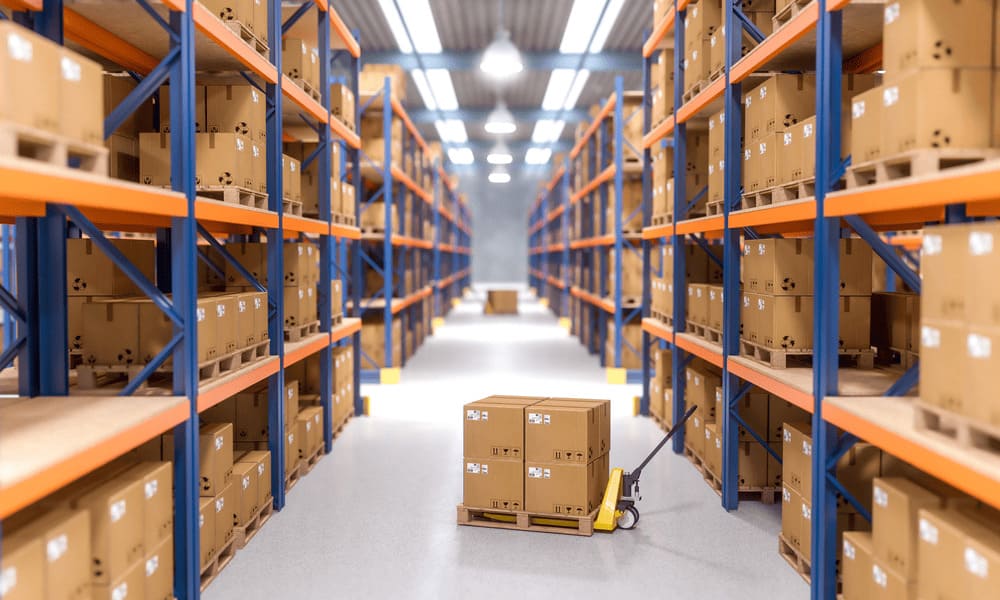
AI inventory management refers to the use of artificial intelligence (AI) technologies to automate and optimize inventory-related processes. Instead of relying on manual tracking, AI systems analyze data from multiple sources, including sales history, customer demand, supply chain conditions, and external factors like seasonality or market trends. By doing so, AI can help retailers:
- Accurately forecast demand
- Recommend optimal stock level
- Trigger automated replenishment when needed.
This allows businesses to reduce stockouts, prevent overstock, and improve overall inventory efficiency.
AI inventory management transforms inventory from a reactive function into a proactive, data-driven strategy, helping companies make faster, smarter decisions and better align supply with real-world demand.
What’s inside a retail inventory?
Retail inventory has always been one of the most challenging areas for businesses to manage. One wrong move in inventory can cost retailers millions. So what’s really happening in retail inventory?
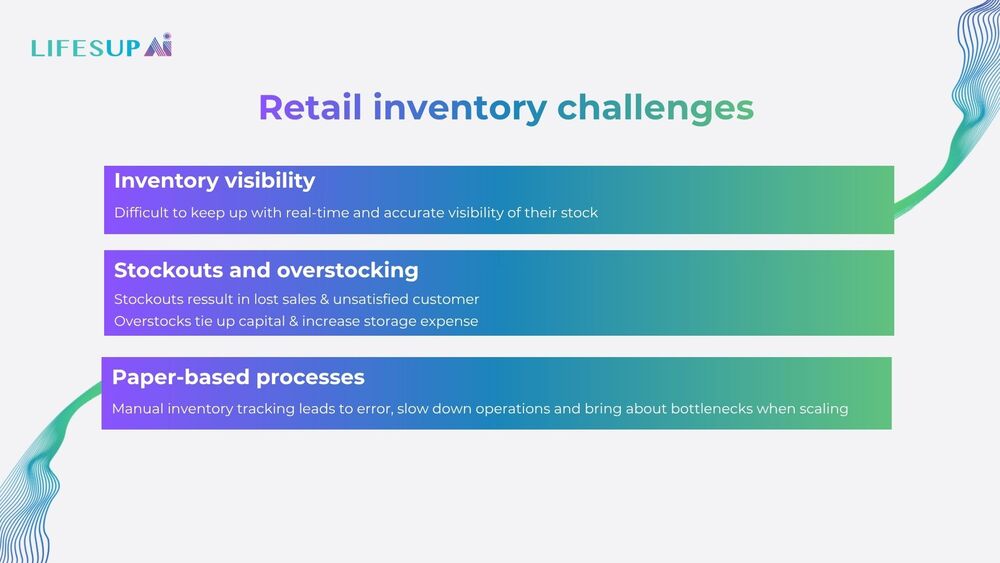
Inventory visibility
Inventory visibility remains a persistent challenge for retailers, especially in an increasingly omnichannel environment where products move across stores, warehouses, and online platforms. Many businesses struggle to maintain real-time, accurate visibility of their stock, making it difficult to make timely decisions on replenishment, allocation, and demand planning.
This challenge is typically driven by several factors:
- Fragmented systems: Inventory data is spread across multiple platforms (POS, ERP, warehouse systems)
- Manual processes: Heavy reliance on manual stock counting and data entry increases the risk of human error
- Lack of real-time updates: Delays in syncing data across channels result in outdated inventory information
Stockouts & overstock
Stockouts & overstock are two of the most common and costly inventory challenges retailers face. While one leads to missed revenue opportunities, the other ties up capital and erodes margins.
Stockouts occur when a product is out of stock and unavailable for customers at the point of demand. Stockouts can lead to:
- Lost sales and revenue
- Decreased customer satisfaction and loyalty
- Potential loss of market share to competitors
Overstock happens when businesses hold more inventory than needed, often beyond expected demand. Overstock can lead to:
- Increased holding and storage costs
- Cash flow constraints due to tied-up capital
- Higher risk of markdowns, discounts, or product obsolescence
Paper-based processes
Paper-based processes remain a hidden but significant barrier to efficient inventory management, especially for businesses that have not fully digitized their operations.
These processes not only slow down operations but also create gaps in data visibility, making it harder for businesses to respond quickly to changes in demand or supply conditions. Over time, the inefficiencies compound, leading to higher operational costs and increased risk of errors.
Paper-based processes can bring about:
- Inaccurate inventory records leading to poor decision-making
- Delayed operations due to time-consuming manual processes
- Low scalability as the business grows and complexity increases
- Reduced productivity of staff who spend time on repetitive administrative tasks
>>Read more: AI in Retail industry: The key to margin optimization & EBITDA growth
Key applications of AI inventory management
As inventory challenges grow in complexity, businesses are turning to AI not just for visibility, but for smarter, more proactive control. From forecasting demand to automating replenishment, AI is reshaping how inventory is managed, unlocking new levels of efficiency and precision.
Here are the key applications of AI in inventory management.
Real-time inventory monitoring
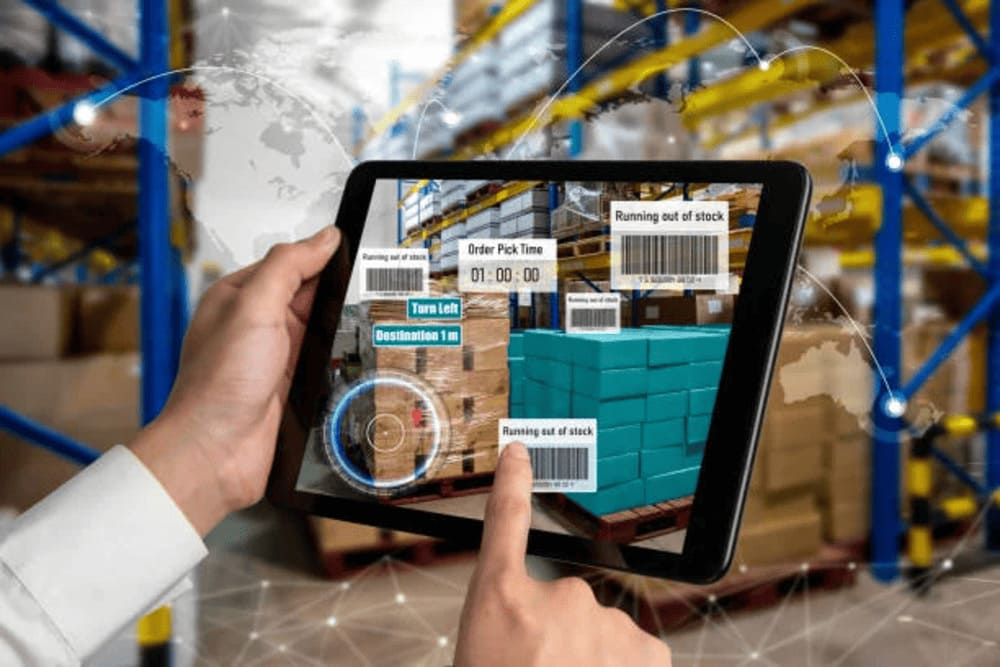
AI enables businesses to track inventory levels in real time across multiple locations, including warehouses, stores, and online channels. By continuously analyzing data from POS systems, sensors, and supply chain inputs, AI provides up-to-date visibility into stock movements. This allows businesses to quickly detect discrepancies, prevent stockouts, and make faster, more informed decisions.
Automated replenishment
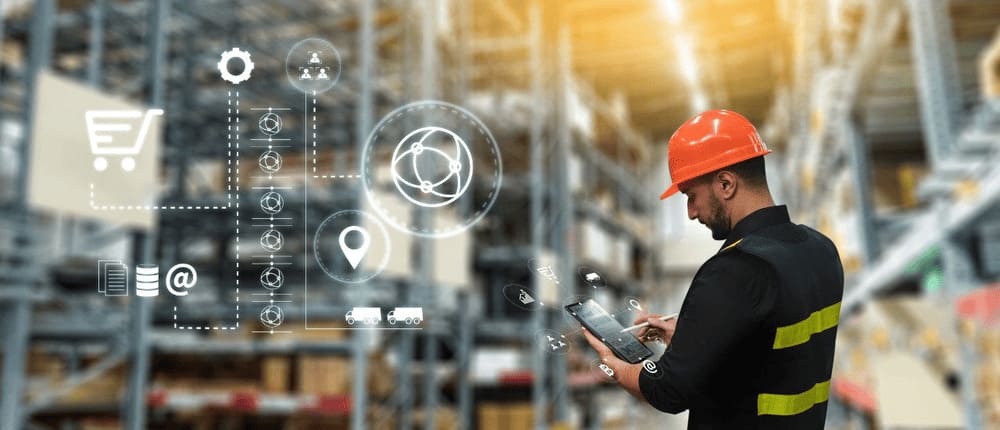
With AI, replenishment becomes a proactive and automated process rather than a manual task. AI systems continuously monitor inventory levels and trigger purchase orders or restocking actions when stock falls below optimal thresholds. By factoring in lead times, demand forecasts, and supplier performance, automated replenishment ensures that inventory is always maintained at the right level, reducing both stockouts and overstock.
SKU demand forecasting
AI-powered forecasting analyzes historical sales data, customer behavior, and external factors to predict demand at the SKU level with high accuracy. This granular insight allows businesses to plan inventory more effectively for each product, rather than relying on broad estimates. As a result, companies can better align stock levels with actual demand, improving availability while minimizing excess inventory.
Seasonality & Demand pattern modeling

AI can identify and model complex demand patterns, including seasonal trends, promotions, and external influences such as holidays or market shifts. Unlike traditional methods, AI continuously learns and adapts to changing patterns over time. This helps businesses anticipate demand fluctuations more accurately and adjust inventory strategies accordingly, avoiding both shortages and surplus during peak and off-peak periods.
Inventory allocation optimization
AI optimizes how inventory is distributed across different locations, ensuring the right products are available where they are most likely to be sold. By analyzing demand patterns, sales performance, and location-specific factors, AI recommends optimal allocation strategies. This reduces imbalances across stores or channels, improves sell-through rates, and maximizes overall inventory efficiency.
Implementation roadmap for retailers
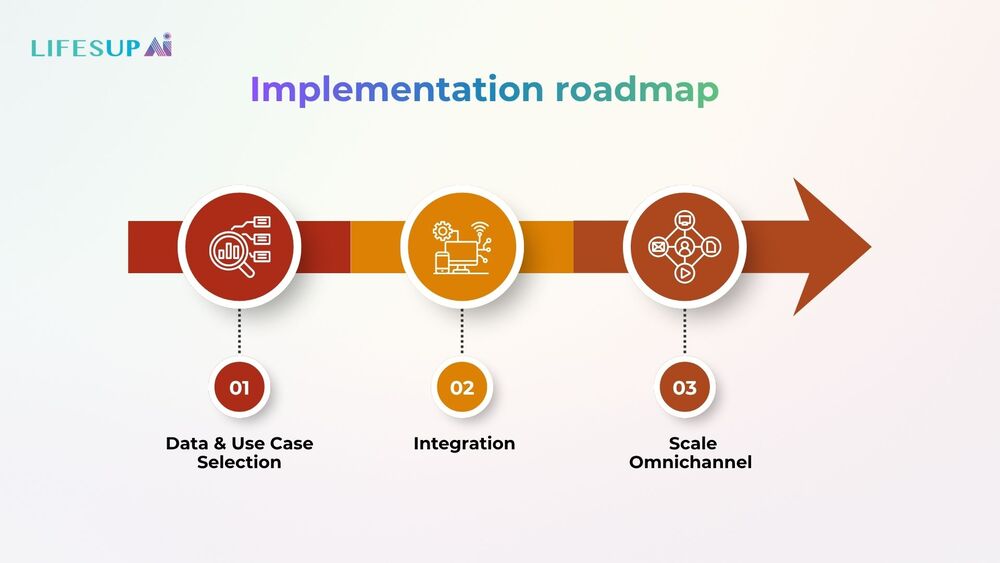
Phase 01: Data & Use Case Selection
The first step in implementing AI inventory management is building a strong data foundation and identifying the right use cases. Retailers need to assess the availability, quality, and consistency of their data across systems such as POS, ERP, and warehouse management.
At the same time, it’s critical to prioritize high-impact use cases, such as demand forecasting or inventory visibility that can deliver quick wins and measurable ROI. Starting with the right scope ensures faster adoption and reduces implementation risks.
Phase 02: Integration
Once the use cases are defined, the next phase focuses on integrating AI solutions into existing systems and workflows. This involves connecting data sources, ensuring real-time data flow, and embedding AI models into operational processes such as replenishment or allocation.
Seamless integration is key to unlocking the full value of AI, as disconnected systems can limit performance and accuracy. Retailers should also ensure that teams are trained and processes are aligned to work effectively with AI-driven insights.
Phase 03: Scale Omnichannel
After successful implementation, retailers can scale AI capabilities across all channels and locations. This includes expanding from pilot use cases to a broader omnichannel strategy, covering online, offline, and supply chain operations.
AI can then be used to optimize inventory across the entire network, enabling smarter allocation, consistent customer experience, and better demand synchronization. At this stage, continuous learning and optimization are essential to maximize long-term value and maintain a competitive edge.
>> Read more: Top 8 Best Retail AI Solutions Leading the 2026 Trends
Webinar: How Retail Businesses Use AI to Transform Inventory Management
Discover how AI can help retailers transform inventory management in our upcoming webinar with Lifesup AI.
- Location: Meeting Zoom Online
- Date & Time: 26/03/2026 ~ 2:00 P.M
- Registration fee: Free of charge
👉 Reserve your spot today: Webinar Eventbrite