
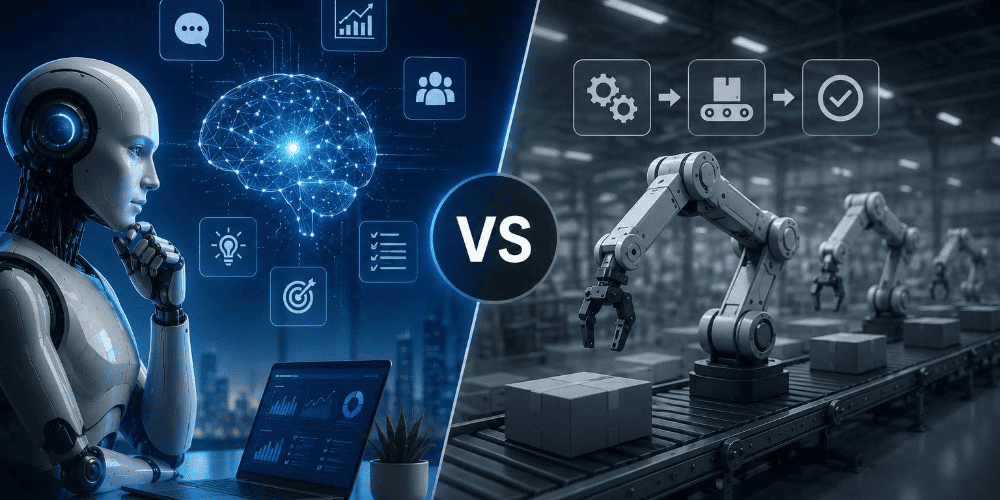
Discover the key differences between AI agents and traditional automation. Learn how AI agents improve business efficiency, decision-making, and customer experiences while understanding when traditional automation is still the better choice.
Businesses have used automation for years to reduce manual work and improve efficiency. Traditional automation has been especially effective for repetitive, rule-based tasks such as payroll, email workflows, and data updates.
But as business operations become more complex, companies need systems that can do more than follow fixed instructions. This is where AI agents stand out: they can understand context, make decisions, and adapt to changing situations with far less human intervention.
What Are AI Agents?
An AI agent is an intelligent software system capable of independently performing tasks to achieve defined objectives. Rather than relying solely on predefined rules, AI agents combine large language models, memory, planning, reasoning, and external tools to analyze information, make decisions, and execute actions.
A modern AI agent can understand natural language requests, search internal databases, access business applications, analyze documents, generate reports, interact with customers, learn from previous interactions, and decide the next best action. Instead of waiting for human instructions after every step, it continuously evaluates the situation and determines how to accomplish a goal.
For example, if a customer asks about an order status, an AI agent can retrieve order information, verify shipping updates, estimate delivery time, send a response, and even escalate the issue if necessary—all without human involvement. This makes AI agents especially valuable in environments where speed, context, and adaptability matter.
What Is Traditional Automation?
Traditional automation focuses on executing predefined workflows based on fixed rules. These systems are highly effective when business processes are predictable and repetitive, because they follow the same sequence every time without variation.
Examples include automatically sending welcome emails, processing payroll, updating CRM records, scheduling reports, routing invoices for approval, and generating monthly financial summaries. Every step follows a predetermined sequence, which makes the process reliable and easy to control.
If an unexpected situation occurs, however, the workflow usually stops and requires human intervention. Traditional automation answers the question: “If X happens, do Y.” While dependable, it struggles when decisions require judgment, context, or changing conditions.
Comparison Table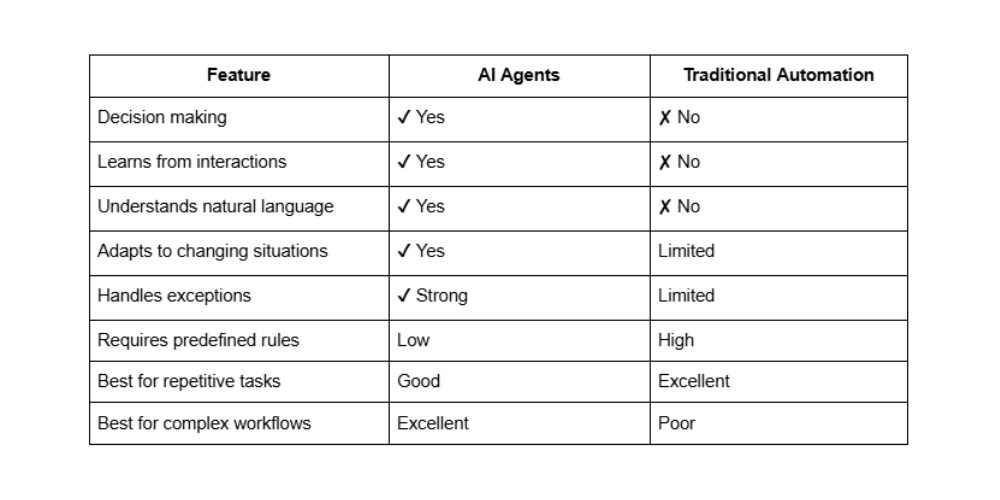
AI Agents vs Traditional Automation
Although both technologies aim to improve efficiency, they solve different business problems. Traditional automation is best for structured, repeatable tasks, while AI agents are designed for situations that require reasoning, flexibility, and decision-making. Choosing between them depends on whether the workflow is predictable or dynamic and whether the business needs simple execution or intelligent adaptation.
Decision Making
 AI Agents Transform Complex Information into Clear and Intelligent Decisions ( Source: Internet )
Traditional automation cannot think. It follows instructions exactly as they were designed, which makes it reliable but rigid. AI agents, by contrast, evaluate available information before choosing the most appropriate action, allowing them to respond more intelligently to real-world situations.
- Customer history: This helps the agent tailor the response to the individual customer.
- Shipping delays: This allows the agent to account for delivery issues before replying.
- Priority level: This helps the agent decide how urgently the issue should be handled.
- Company policies: This ensures the response stays aligned with business rules.
- Previous conversations: This gives the agent context so it can avoid repeating information.
Instead of asking: “If order status equals shipped, send email,” an AI agent considers customer history, shipping delays, priority level, company policies, and previous conversations before generating a personalized response. That context helps the agent choose a better action than a fixed rule ever could. In practice, this means fewer escalations, fewer repetitive manual checks, and a smoother customer experience.
Adaptability
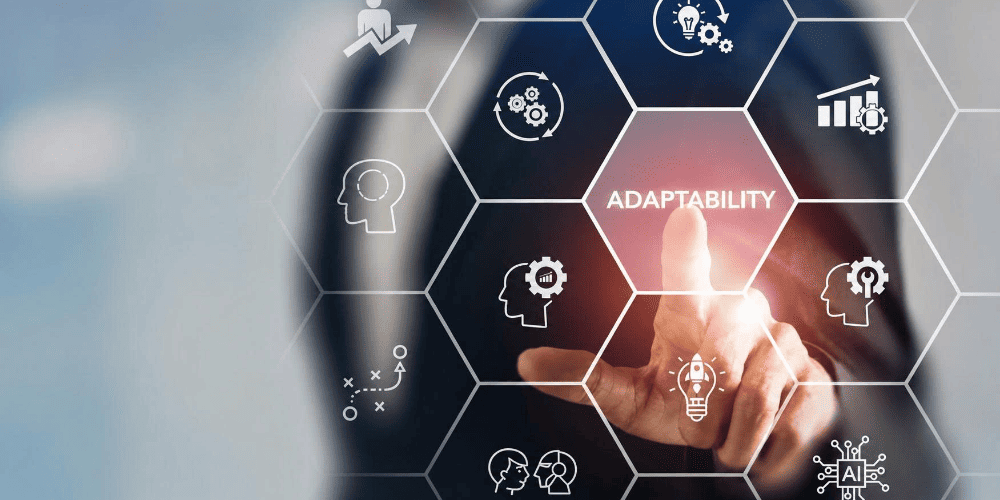 The Adaptive Capabilities of AI Agents in Dynamic Business Environments ( Source: Internet )
Business environments constantly change, and that creates challenges for systems built on fixed logic. New products launch, customer expectations evolve, and internal processes become more complex over time. Traditional automation often requires developers to redesign workflows whenever business rules change, which can slow down operations and increase maintenance costs.
AI agents can adapt much more naturally because they interpret context instead of relying exclusively on hardcoded logic. They are better suited for environments where exceptions, shifting priorities, and changing inputs are common. This flexibility makes them especially valuable for businesses that need automation to keep up with growth and change.
Handling Exceptions
Unexpected situations are common in almost every business process. Missing customer information, incomplete forms, delayed shipments, payment failures, and conflicting data can all interrupt a workflow. When these issues appear, traditional automation usually stops and waits for a human to step in.
- Missing customer information: The agent may need to request additional details
- Before continuing incomplete forms: The workflow can pause until the missing fields are provided.
- Delayed shipments: The agent can adjust its response based on the latest delivery status.
- Payment failures: The system can identify the issue and guide the customer toward a solution.
- Conflicting data: The agent can compare sources and flag inconsistencies for review.
AI agents handle exceptions more gracefully because they can analyze the situation, request additional information if needed, and continue the workflow whenever possible. They can also flag issues for review when a decision should not be made automatically. This significantly reduces manual intervention and helps teams keep processes moving even when the input data is imperfect.
Learning and Improvement
 The Continuous Learning and Self-Improvement Capabilities of AI Agents Through Experience, Feedback, and Historical Data ( Source: Internet )
Traditional automation performs the same task today as it did yesterday. It is consistent, but it does not improve on its own. AI agents, on the other hand, can improve over time by learning from historical interactions, user feedback, and business outcomes.
For customer support teams, this means responses become increasingly accurate and personalized. Over time, the AI agent can better understand common issues, identify patterns, and recommend more effective actions based on prior results. That learning loop makes the system more valuable the longer it is used.
Working Across Multiple Systems
Businesses rarely rely on a single platform, and most workflows involve several tools working together. A customer request may involve CRM, ERP, inventory systems, payment gateways, email, and internal knowledge bases. Traditional automation often requires separate integrations for every workflow, which can become difficult to maintain as systems grow.
AI agents can coordinate information across multiple systems to complete an entire business process. They can pull data from one platform, analyze it in another, and trigger actions in a third without forcing employees to move between tools manually. That makes them especially useful in organizations with complex tech stacks and cross-functional workflows.
When Traditional Automation Is Still the Better Choice
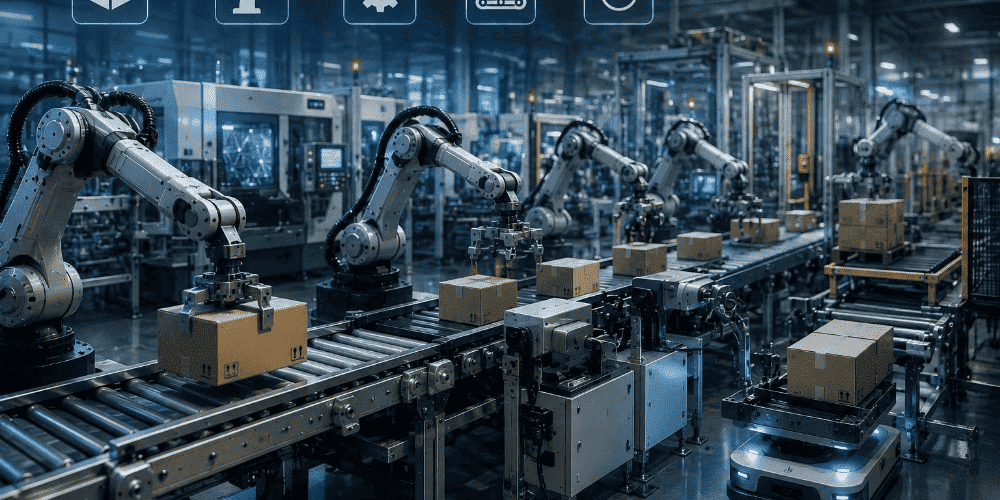 The Continued Value of Traditional Automation for Repetitive, Rule-Based, and Predictable Business Processes ( Source: Internet )
Despite the growing popularity of AI agents, traditional automation remains valuable. If a process is repetitive, predictable, and follows fixed business rules, traditional automation is often faster and more cost-effective. In many organizations, it is still the best option for tasks that need to be completed quickly and consistently.
Examples include:
- Payroll processing: This is ideal for automation because the steps are structured and repeatable.
- Invoice approvals: This works well when approval criteria are clearly defined.
- Employee onboarding checklists: This helps ensure every new hire follows the same process.
- Data synchronization: This keeps systems aligned without requiring human input.
- Scheduled backups: This protects data on a fixed schedule with minimal complexity.
- Report generation: This automates recurring reporting tasks that follow the same format.
These tasks rarely require reasoning or contextual understanding. They are best handled by systems that prioritize speed, consistency, and low maintenance. In those cases, traditional automation remains the most practical and cost-effective option.
When Businesses Should Choose AI Agents
AI agents provide the greatest value when workflows involve uncertainty, decision-making, or continuous interaction. In these situations, the ability to interpret context and respond intelligently can dramatically improve both efficiency and customer experience. Businesses that deal with high volumes of requests or complex processes often see the strongest results.
Customer Support
Customer support is one of the earliest and most common applications of AI agents because it combines repetitive tasks with the need for personalized communication. Unlike traditional chatbots that rely on predefined scripts, AI agents can understand context, retrieve relevant customer information, and determine the most appropriate response.
They can assist businesses by:
- Answering frequently asked questions: Provide instant responses to common inquiries, reducing wait times and improving service availability.
- Retrieving customer account information: Access customer data quickly to deliver more personalized and efficient support.
- Processing routine service requests: Automate everyday requests such as order tracking or account updates with minimal human involvement.
- Escalating complex issues to human agents when necessary: Transfer difficult cases while preserving conversation context for a smoother customer experience.
Because AI agents remember previous interactions, they can personalize conversations based on customer history instead of treating every request as a new case. This creates faster resolutions, more consistent service, and a better overall customer experience.
Sales
Instead of simply assigning leads, AI agents qualify prospects, summarize conversations, recommend next actions, and generate personalized follow-up emails. This allows sales teams to spend more time closing deals and less time on administrative work. It also helps ensure that promising leads are handled quickly and consistently.
Healthcare
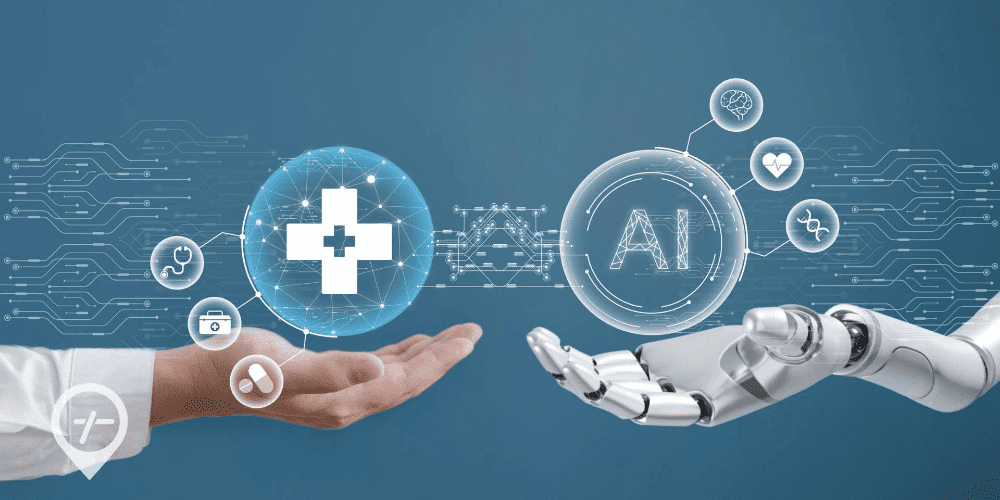 Intelligent Healthcare Support Through Human–AI Collaboration ( Source: Internet )
AI agents assist clinicians by summarizing patient records, identifying potential risks, and recommending relevant information while leaving final decisions to medical professionals. This can improve workflow efficiency without replacing human judgment. In a highly regulated environment, that balance between automation and oversight is especially important.
Education
Educational institutions are increasingly using AI to create more personalized learning experiences for students with different abilities and learning styles.
AI agents can support education in several ways:
- Creating individualized learning paths: Adapt lessons and recommendations based on each student’s learning progress.
- Answering student questions in real time: Provide immediate assistance whenever students need additional guidance.
- Monitoring academic progress: Track performance continuously to identify learning gaps at an early stage.
- Recommending learning materials based on performance: Suggest relevant resources that match each student’s strengths and weaknesses.
- Providing teachers with insights into student engagement: Highlight participation trends to support more informed teaching decisions.
By automating routine academic support, AI agents allow educators to focus more on teaching while giving students continuous access to personalized assistance.
Hospitality
 AI Agents Enhancing Guest Services in the Hospitality Industry ( Source: Internet )
Guest expectations continue to rise as travelers increasingly expect fast, personalized service throughout every stage of their journey. AI agents help hotels meet these expectations while improving operational efficiency behind the scenes.
From managing reservations and recommending hotel services to answering guest inquiries and optimizing occupancy based on demand forecasts, AI agents support both front-office operations and revenue management. Hotels can therefore provide quicker responses, more tailored recommendations, and a smoother guest experience without increasing staff workload.
Human Resources
Recruitment and employee support involve many repetitive administrative tasks that consume valuable HR resources.
AI agents streamline these activities by screening resumes, scheduling interviews, answering employee questions, and assisting with onboarding documentation. They can also provide employees with instant access to company policies and internal resources, reducing the workload for HR teams. With administrative work largely automated, HR professionals can devote more attention to talent development, employee engagement, and organizational culture.
Marketing
Marketing teams constantly analyze campaign performance, customer behavior, and market trends to make informed decisions. AI agents accelerate this process by continuously processing large volumes of marketing data.
Beyond generating content ideas, AI agents identify audience segments, recommend optimization opportunities, predict campaign performance, and personalize customer communications across multiple channels. These insights enable marketers to launch more targeted campaigns while responding more quickly to changing customer preferences.
Benefits of AI Agents for Businesses
Faster Decision Making
Business decisions often depend on timely access to accurate information. AI agents continuously collect and analyze data from multiple sources, enabling organizations to respond more quickly to operational changes, customer requests, and market trends.
For example, AI agents can monitor business performance in real time, detect unusual patterns or potential risks, recommend appropriate actions based on current data, and deliver instant alerts when critical issues arise. By reducing the time spent gathering and analyzing information, AI agents help managers make faster, more informed decisions that improve operational responsiveness.
Improved Customer Experience
 Enhanced Guest Satisfaction Through AI-Powered Hospitality Services ( Source: Internet )
Modern customers expect fast, personalized, and consistent service across every interaction. AI agents make this possible by understanding customer context, retrieving relevant information, and delivering tailored responses through multiple communication channels.
Rather than relying on scripted conversations, AI agents can provide more meaningful support by delivering personalized recommendations based on customer history, responding instantly to common inquiries 24/7, maintaining consistent service across web, mobile, and messaging platforms, and escalating complex requests to human agents when necessary.
This combination of speed, personalization, and intelligent support helps businesses strengthen customer relationships while improving overall satisfaction and loyalty.
Higher Productivity
Many business teams spend a significant portion of their day performing repetitive administrative tasks such as searching for information, updating records, generating reports, or responding to routine requests.
AI agents automate these activities, allowing employees to focus on work that requires creativity, collaboration, and strategic thinking. As a result, organizations can reduce time spent on manual processes, improve collaboration between departments, accelerate internal workflows, and increase overall operational efficiency. Instead of replacing employees, AI agents serve as intelligent assistants that enhance individual productivity and support better workplace performance.
Reduced Operational Costs
Operational efficiency is one of the primary reasons organizations invest in AI agents. By automating repetitive workflows and reducing manual intervention, businesses can lower operating expenses while maintaining consistent service quality.
AI agents contribute to cost optimization by minimizing repetitive administrative work, reducing processing errors and rework, improving resource utilization across teams, and supporting business growth without proportionally increasing staffing requirements. Over time, these improvements enable organizations to scale more efficiently while maintaining better control over operational costs.
Better Business Insights
Organizations generate large volumes of operational data every day, but turning that information into actionable insights can be challenging. AI agents continuously analyze business data to identify trends, monitor performance, and uncover opportunities that might otherwise go unnoticed.
These insights can help leaders:
- Track key business metrics in real time: This gives decision-makers immediate visibility into performance so they can respond quickly when results begin to shift.
- Identify operational bottlenecks: By highlighting where delays or inefficiencies occur, AI agents help teams focus improvement efforts on the areas that matter most.
- Forecast future demand and resource requirements: This allows organizations to plan ahead more accurately and avoid shortages, overstaffing, or unnecessary spending.
- Evaluate business performance more effectively: With clearer data and continuous analysis, leaders can measure progress more reliably and compare results across teams or time periods.
- Support strategic planning with data-driven recommendations: These recommendations help management make better long-term decisions based on evidence rather than assumptions.
With greater visibility into daily operations, organizations can make more confident decisions, respond proactively to challenges, and continuously improve business performance.
Challenges of Implementing AI Agents
Although AI agents offer significant advantages, successful implementation requires planning. Organizations should consider data quality, integration with existing systems, security and privacy, governance and compliance, human oversight, and continuous monitoring.
AI agents perform best when supported by accurate business data and clearly defined operational policies. Without those foundations, even the most advanced system may struggle to produce reliable results. For that reason, businesses should treat implementation as both a technical and operational initiative
The Future of Business Automation
Automation is evolving beyond fixed workflows as organizations combine traditional automation with intelligent AI agents to create more flexible and capable business systems. Routine, predictable tasks will continue to rely on rule-based automation, while more complex workflows involving reasoning, collaboration, and decision-making will increasingly be handled by AI agents. Rather than replacing traditional automation, AI agents expand what automation can accomplish by introducing adaptability and contextual understanding. Businesses that successfully combine both approaches will achieve greater operational efficiency, improved customer experiences, and a stronger competitive advantage over time.
Conclusion
Traditional automation is ideal for repetitive, predictable tasks, while AI agents are better suited for workflows that require context, reasoning, and adaptability. The strongest business results often come from combining both technologies strategically, allowing each to complement the other’s strengths. As automation continues to evolve, organizations that adopt AI agents early will be better positioned to improve efficiency, enhance customer experiences, and drive sustainable long-term growth.
Discover how Lifesup AI helps businesses build intelligent AI agents that automate complex workflows, improve decision-making, and deliver better customer experiences. Explore how AI agents can transform your operations and unlock new opportunities for innovation and business growth.
>>Read more: AI CRM vs Traditional CRM: What’s Changing in Modern Business Operations