
In today’s data-driven economy, marketing is no longer guided solely by intuition or past experience. Businesses are now required to process massive volumes of data generated across multiple touchpoints, including websites, social media platforms, CRM systems, and digital advertising channels. Without effective analysis and utilization, this data can quickly become a burden rather than a source of value.
This is where machine learning in marketing plays a critical role. Beyond simply analyzing large datasets, machine learning enables organizations to gain deeper customer insights, predict behavior, and optimize marketing performance in real time.
Instead of reacting to market changes after they occur, businesses can proactively adjust their strategies based on predictive models. This shift is redefining how marketing operates across both B2C and B2B environments.
What is machine learning?
Machine learning is a subset of artificial intelligence (AI) that allows systems to learn from data and improve performance over time without being explicitly programmed for every scenario.
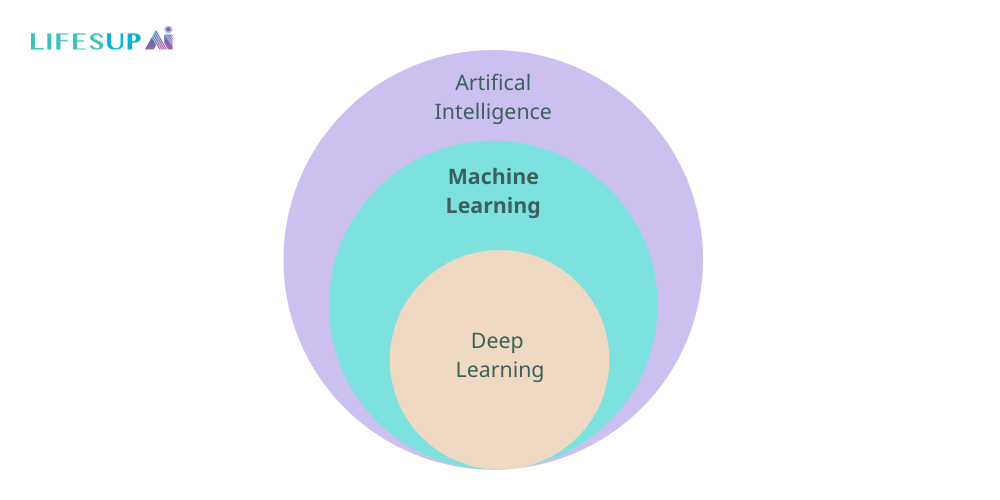
Unlike traditional systems that rely on predefined rules, machine learning uses algorithms to identify patterns within data and generate predictions or recommendations. This makes it particularly well-suited for environments where data is complex, dynamic, and continuously evolving.
In marketing, machine learning enables organizations to connect and analyze diverse data sources, including behavioral data, transaction history, and engagement metrics. This provides a more comprehensive view of the customer, moving beyond isolated data points.
Equally important, machine learning systems continuously adapt. As customer behavior evolves, models are updated accordingly, ensuring that marketing decisions remain aligned with current trends.
Key Applications of Machine Learning in Marketing
Machine learning is not a standalone tool but a foundational technology integrated across various marketing functions. Its applications span from strategy development to execution and optimization.
Customer Segmentation
Customer segmentation is a fundamental component of any effective marketing strategy. However, traditional approaches often rely on static data such as demographics or geographic location, resulting in relatively broad and generalized segments.
Machine learning enables segmentation based on real behavioral data. This includes:
- Purchase frequency
- Content engagement levels
- Browsing behavior
- Response to previous campaigns
By analyzing these variables, businesses can create more precise and meaningful customer segments. This allows for more targeted messaging and a higher level of relevance in marketing communication.

AI-powered Marketing Automation
Marketing automation is evolving from rule-based workflows to adaptive, data-driven systems.
When integrated with machine learning, automation platforms can dynamically adjust campaigns based on real-time user behavior, including:
- Determining the optimal time to deliver messages
- Selecting the most effective communication channels
- Personalizing content for each individual user
Instead of relying on fixed logic, these systems learn from past campaign performance and continuously improve outcomes, enabling businesses to scale efficiently while maintaining high performance.

>> Read more: The Benefits and Key Applications of AI in Digital Marketing 2026
Personalization and Product Recommendations
Personalization has become a standard expectation in modern customer experiences, and machine learning is the driving force behind it.
By analyzing user behavior, machine learning systems can recommend products, content, and offers tailored to individual preferences. This extends across multiple touchpoints, including websites, email campaigns, and digital advertising.
Importantly, personalization is not static. Each user interaction provides new data, enabling the system to refine its understanding and deliver increasingly relevant experiences over time.

Customer Analytics and Predictive Insights
One of the most valuable aspects of machine learning in marketing is its predictive capability.
By analyzing historical data, machine learning models can identify behavioral patterns and generate insights such as:
- Likelihood of conversion
- Risk of customer churn
- Customer lifetime value (CLV)
- Demand forecasting trends
These predictive insights enable businesses to move from reactive to proactive decision-making. Marketing strategies can be adjusted in advance, improving efficiency and resource allocation.
Content Creation and Optimization
Content remains a central pillar of marketing, but creating consistently high-performing content has become increasingly challenging in a saturated digital landscape.
Machine learning addresses this by analyzing performance data to identify key factors that drive engagement, such as:
- Content topics
- Headline structure
- Format
- Publishing timing
In addition, AI content marketing tools can suggest new ideas or generate multiple content variations based on user behavior, enabling marketing teams to work more systematically and make data-driven decisions.
Key Benefits of Machine Learning in Marketing
The integration of machine learning into marketing operations delivers strategic advantages across multiple dimensions.
- Improved decision-making: Machine learning provides deep, continuously updated insights derived from large datasets. This enables marketers to make more accurate, data-driven decisions while reducing reliance on intuition.
- Enhanced operational efficiency: Repetitive tasks such as data analysis, campaign optimization, and content distribution can be automated. This saves time, reduces manual workload, and allows teams to focus on higher-value strategic activities.
- Better customer experience: Machine learning enables personalization of content, messaging, and offers for individual users. As a result, businesses can deliver more relevant experiences, increasing engagement, customer satisfaction, and loyalty.
- Higher marketing performance and ROI: By continuously learning from data and optimizing campaigns, machine learning improves performance, enables smarter budget allocation, and maximizes return on investment (ROI).
- Predictive capabilities and proactive strategy: Beyond analyzing past performance, machine learning can forecast trends and customer behavior. This allows businesses to proactively adjust strategies and capitalize on emerging opportunities.

Challenges of Implementing Machine Learning in Marketing
Despite its many benefits, applying machine learning in marketing also comes with several challenges that businesses need to prepare for.
- Data quality and management: Machine learning heavily depends on input data. If the data is incomplete, inconsistent, or scattered across multiple systems, model accuracy will be compromised, leading to suboptimal results.
- Technology infrastructure and system integration: Businesses need robust infrastructure to store and process large volumes of data. In addition, integrating machine learning with existing platforms such as CRM, CDP, or marketing tools can be complex.
- Talent and expertise: Implementing machine learning requires specialized skills, including data analysts, data scientists, and data engineers. This can be a significant barrier for many organizations.
- Data security and privacy: Collecting and processing customer data must comply with data protection regulations while ensuring transparency to maintain user trust.
- Implementation cost and time: Machine learning is not an “instant” solution. Businesses need to invest in technology, human resources, and time to build, test, and optimize models effectively.
Real-world Examples of Machine Learning in Marketing
Machine learning is already deeply embedded in many real-world marketing applications.
- In the e-commerce sector, product recommendation systems leverage user behavior data to deliver personalized shopping experiences, helping businesses increase conversion rates and drive revenue growth.
- Content platforms apply machine learning to curate and recommend relevant content tailored to individual preferences. This not only enhances user experience but also improves engagement and retention over time.
- In the service industry, dynamic pricing models use machine learning to adjust prices in real time based on demand fluctuations, market conditions, and customer behavior, enabling businesses to optimize revenue and remain competitive.
For organizations undergoing digital transformation or aiming to enhance marketing performance through data, starting with a purpose-built platform can significantly reduce implementation time and operational risk.
Lifesup AI does not redefine marketing – it is reshaping how marketing is executed in a data-driven environment.
Don’t forget to contact Lifesup AI for free consultation and access to high-quality AI marketing solutions that help optimize profitability and drive sustainable business growth.
>> Read more: AI Advertising: Benefits and How AI Impacts Advertising Campaigns