
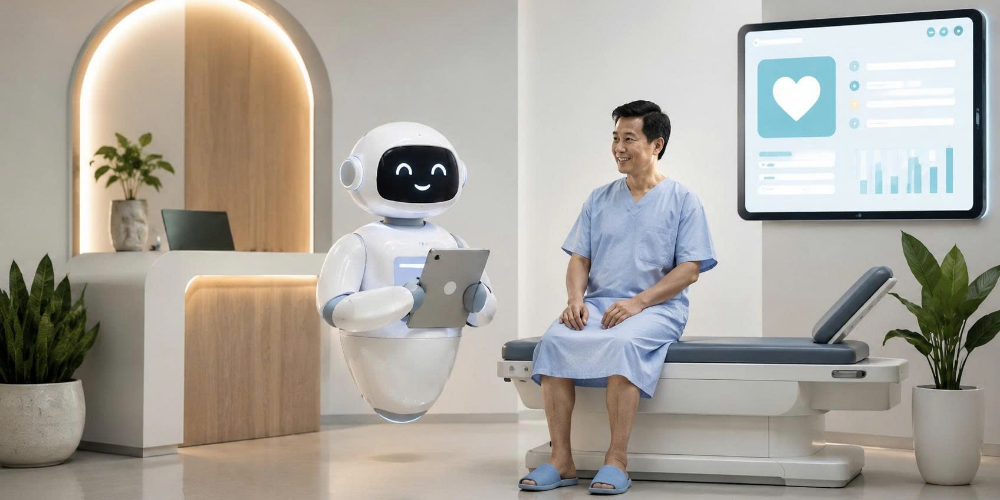
Discover how AI in healthcare is improving patient engagement, treatment adherence, healthcare communication, and continuous care through personalized and AI-powered healthcare experiences.
Healthcare today goes far beyond clinic visits in which patients expect continuous support, personalized communication, and connected care throughout their journey. Yet many providers still struggle with fragmented communication, overloaded support teams, and low treatment adherence.
This is where AI in healthcare is becoming a key technology, helping organizations strengthen patient engagement and deliver continuous care at scale. Beyond diagnostics and operations, AI in healthcare now supports everything from treatment adherence and follow-up to personalized, patient-centered experiences and laying the foundation for more connected and scalable healthcare.
Why Patient Engagement Is Becoming a Healthcare Priority
(source: Internet)
Patient engagement has moved from a “nice-to-have” to a core healthcare priority because it directly shapes treatment outcomes, recovery quality, and long-term patient satisfaction. When patients stay engaged with their care plans, they take medications correctly, attend follow-ups, and recover faster. When they don’t, healthcare providers face higher readmission rates, lower adherence, and weaker patient relationships.
As healthcare shifts toward patient-centered care models, continuous engagement is now essential for building trust, improving outcomes, and delivering the connected experiences patients expect. This is why more healthcare organizations are turning to AI in healthcare to maintain proactive, personalized engagement at scale without overloading their teams.
AI-Powered Treatment Adherence and Follow-Up Systems
(source: Internet)
One of the most important applications of AI in healthcare today is improving treatment adherence. Many patients unintentionally interrupt treatment plans because they forget important healthcare tasks during recovery or long-term care processes. AI-powered healthcare systems help patients stay connected to their treatment journeys through intelligent follow-up and reminder systems.
Intelligent Healthcare Reminder Systems
To address these challenges, healthcare providers are increasingly implementing AI-powered follow-up systems that help maintain continuous patient engagement after appointments or treatments. Modern AI healthcare platforms can automatically send medication reminders based on treatment plans, notify patients about upcoming follow-up appointments, remind patients to update important health indicators such as blood pressure or glucose levels, provide personalized recovery guidance, and deliver proactive care notifications throughout treatment journeys.
These automated workflows help patients remain more engaged with their care plans while reducing the risk of missed medications, delayed follow-up visits, or inconsistent recovery monitoring.
Instead of relying on generic communication workflows, modern AI healthcare platforms can personalize engagement based on treatment stages, recovery progress, and patient behavior. This helps healthcare organizations create more scalable and patient-centered care experiences while reducing administrative pressure on healthcare staff.
Continuous Treatment Support
Beyond reminders and notifications, AI systems can also monitor patient engagement patterns and identify individuals who may require additional support.
- Detects patients who repeatedly miss appointments or ignore reminders – allowing healthcare providers to intervene before treatment adherence declines further.
- Trigger additional follow up workflows automatically – when patients become less engaged during recovery or long-term treatment processes.
- Notify healthcare teams when patient engagement drops – staff can prioritize high-risk patients who may require direct support or personalized intervention.
This proactive approach helps healthcare organizations maintain stronger continuity of care while improving long-term patient engagement and treatment outcomes. As healthcare systems continue managing larger patient volumes, AI-powered follow-up systems are becoming increasingly important for delivering scalable and connected healthcare experiences.
AI and Continuous Patient Care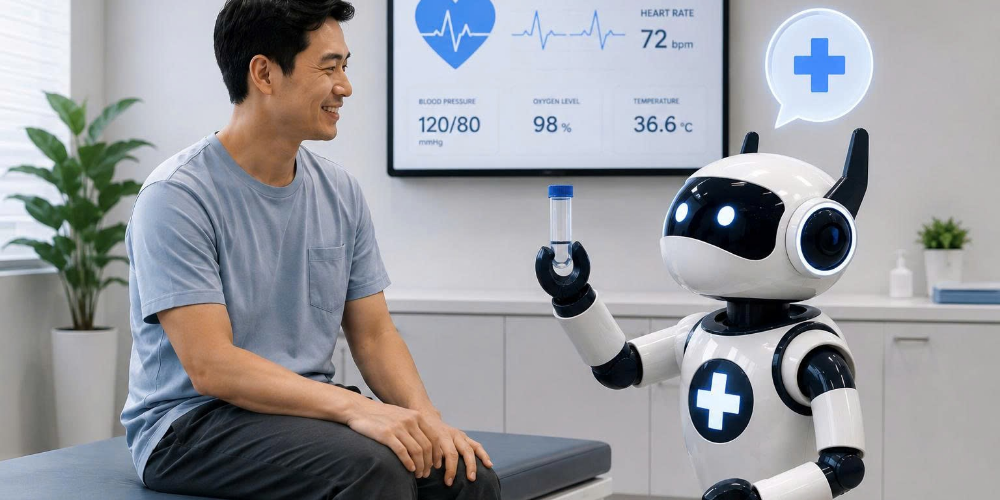
(source: Internet)
Modern healthcare is increasingly shifting from episodic treatment models toward continuous care ecosystems. Patients today expect healthcare providers to remain accessible and supportive throughout the entire healthcare journey rather than only during appointments. AI in healthcare is helping organizations create more connected care experiences through continuous engagement systems.
Connected Healthcare Journeys
AI-powered healthcare platforms can support patients across multiple stages of care, including appointment preparation, treatment onboarding, medication management, recovery monitoring, chronic condition follow-up, and long-term healthcare engagement. By connecting these different touchpoints into a single workflow, healthcare organizations can create a more seamless and coordinated patient experience.
This creates a more connected healthcare environment where patients feel continuously supported instead of disconnected after visits. Healthcare organizations can also maintain stronger visibility into patient progress and engagement levels in real time.
Recovery Monitoring and Proactive Support
AI systems can help healthcare providers monitor patient recovery more proactively through:
- Automated recovery check-ins – help healthcare teams stay updated on patient conditions without requiring constant manual outreach.
- Symptom tracking systems – allow organizations to identify potential concerns earlier and respond more efficiently.
- Personalized wellness reminders – designed to encourage healthier behaviors and stronger treatment adherence.
- Early alerts for abnormal health indicators – providers can intervene before issues become more serious.
- Remote engagement workflows – help maintain communication with patients outside traditional clinical settings.
By maintaining continuous communication, healthcare organizations can improve patient confidence and encourage stronger long-term treatment adherence.
AI-Powered Healthcare Communication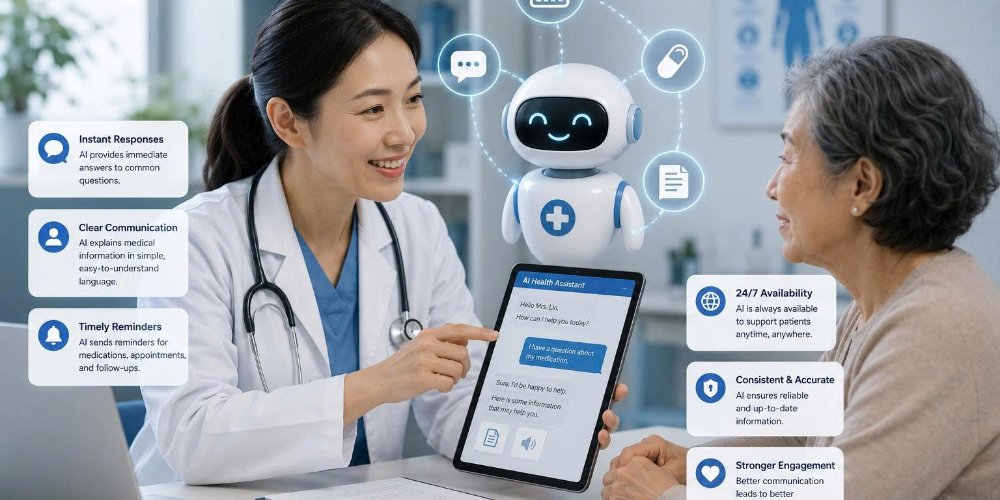
(source: Internet)
Communication is one of the most important factors influencing patient experience and healthcare satisfaction. However, traditional healthcare communication processes are often slow, fragmented, and heavily dependent on manual coordination. AI-powered healthcare communication systems are helping organizations create faster and more personalized communication experiences.
AI Communication Applications in Healthcare
AI systems can support appointment confirmations and reminders, post-treatment communication, patient onboarding guidance, automated healthcare messaging, multilingual support, and real-time patient notifications. These capabilities help healthcare organizations streamline communication while ensuring patients receive timely and relevant information throughout their healthcare journeys.
Healthcare providers can also use AI-powered communication systems to deliver more personalized interactions based on patient conditions and treatment stages. This reduces communication gaps between providers and patients while improving the overall healthcare experience.
Faster and More Accessible Support
Patients increasingly expect fast responses and convenient communication channels. AI-powered systems allow healthcare organizations to provide:
- 24/7 support availability – patients can access assistance outside standard business hours.
- Instant responses to common questions – reduce waiting times and improve convenience.
- Easier access to healthcare information – automated and centralized communication systems.
- More consistent patient communication – helps patients stay informed during every stage of care.
As a result, patients feel more connected and supported throughout their healthcare journeys.
Personalized Patient Experiences With AI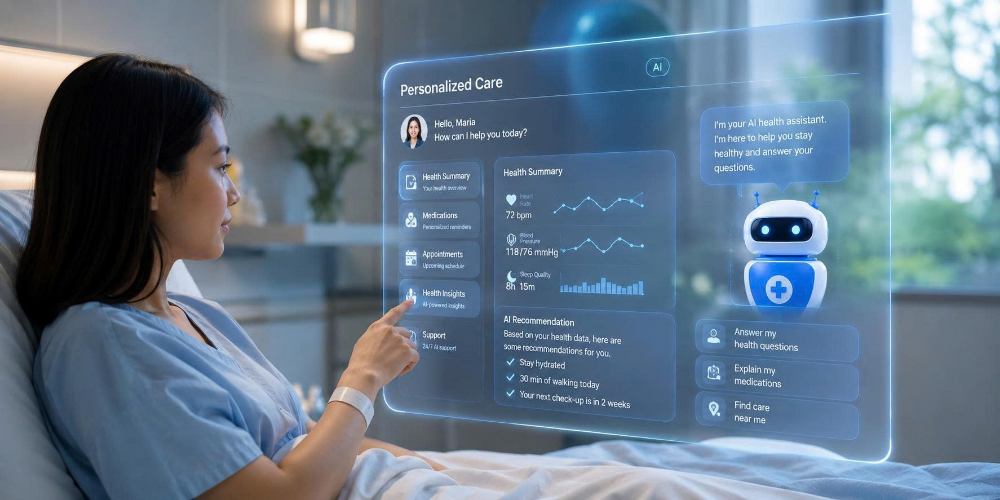
(source: Internet)
Modern patients expect healthcare experiences that feel personalized rather than generic. AI in healthcare helps organizations create individualized engagement strategies based on patient behavior, treatment history, and communication preferences.
Instead of sending identical reminders or notifications to every patient, AI systems can personalize communication according to treatment stages, patient conditions, appointment history, engagement behavior, and recovery progress. This allows healthcare organizations to deliver more relevant and meaningful interactions at every stage of the patient journey.
For example, patients recovering from long-term treatments may receive different follow-up workflows compared to patients attending routine health screenings. This level of personalization improves both patient engagement and healthcare experience quality.
Predictive Patient Engagement
Some AI healthcare systems can also identify patterns that indicate potential disengagement risks. For example, AI may detect patients who are likely to:
- Miss future appointments – declining engagement or inconsistent healthcare interactions.
- Stop treatment early – completing recommended care plans early.
- Ignore follow-up instructions – that are important for recovery and long-term health outcomes.
- Become inactive during recovery – reducing continuity of care and treatment effectiveness.
Healthcare providers can then proactively intervene before patient engagement declines further. This helps improve long-term patient retention and continuity of care.
AI Chatbots and Virtual Healthcare Assistants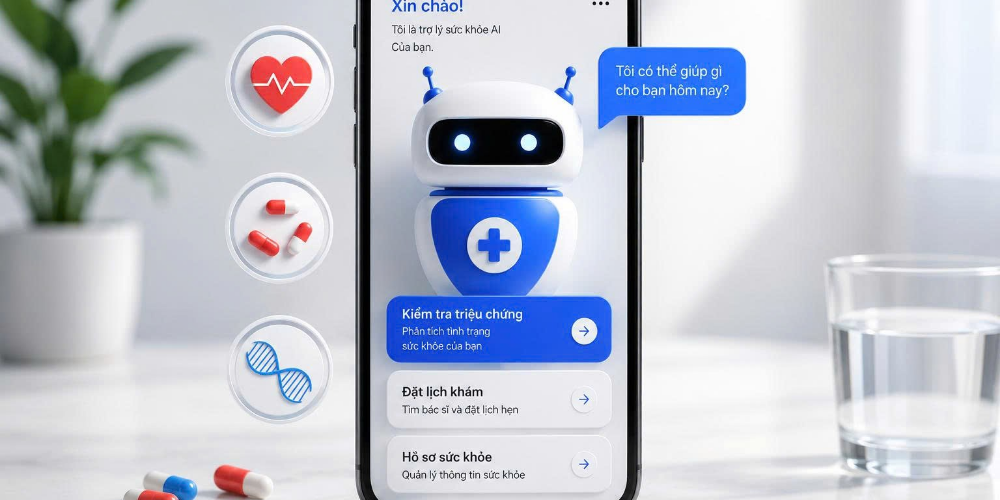
(source: Internet)
AI chatbots and virtual healthcare assistants are becoming increasingly important in modern healthcare engagement strategies. These systems help healthcare organizations provide scalable patient support while maintaining fast response times.
Common Applications of Healthcare AI Assistants
Healthcare AI assistants can support answering frequently asked questions, appointment booking, treatment guidance, patient onboarding, administrative support, medication reminders, and healthcare service information. By automating repetitive communication tasks, healthcare organizations can improve operational efficiency while maintaining consistent patient support.
Patients can receive support immediately without needing to wait for manual responses during business hours. Importantly, AI assistants are not designed to replace healthcare professionals. Instead, they help healthcare teams focus on cases that require direct human expertise and personalized care.
How AI Improves Patient Retention and Satisfaction
(source: Internet)
In modern healthcare, patient experience has become a major competitive advantage for healthcare organizations. Patients are more likely to return to healthcare providers that offer responsive communication, personalized care experiences, continuous support, and convenient digital interactions. AI helps healthcare organizations strengthen patient relationships by creating more proactive and connected engagement experiences.
Benefits of AI-Driven Patient Engagement
Healthcare organizations implementing AI engagement systems often experience:
- Stronger patient loyalty – patients feel more connected to healthcare providers through continuous engagement.
- Improved treatment adherence – AI-powered reminders and follow-up workflows encourage patients to stay consistent with care plans.
- Higher patient satisfaction – faster communication and more personalized healthcare experiences.
- Better communication consistency – across multiple patient touchpoints and healthcare channels.
- Reduced patient drop-off rates – proactive engagement and continuous follow-up strategies.
- More connected healthcare experiences – support long-term patient relationships and continuity of care.
As healthcare becomes increasingly patient-centered, continuous engagement is becoming just as important as clinical treatment quality itself.
Future of AI in Connected Healthcare
The future of AI in healthcare is centered around creating more connected and patient-centered healthcare experiences. Beyond clinical support, AI will help healthcare organizations improve continuous care coordination, personalized patient engagement, proactive communication, and long-term patient support at scale.
Conclusion
AI in healthcare is transforming how healthcare organizations engage with patients and deliver continuous care experiences. From intelligent treatment reminders and AI-powered communication to virtual healthcare assistants and personalized engagement systems, AI is helping healthcare providers improve patient satisfaction, strengthen treatment adherence, and create more connected healthcare journeys.
LifeSup AI develops AI-powered healthcare engagement solutions that help healthcare organizations improve patient communication, continuous care coordination, and personalized healthcare experiences.
>>Read more: A-powered bid processing for medical equipment