
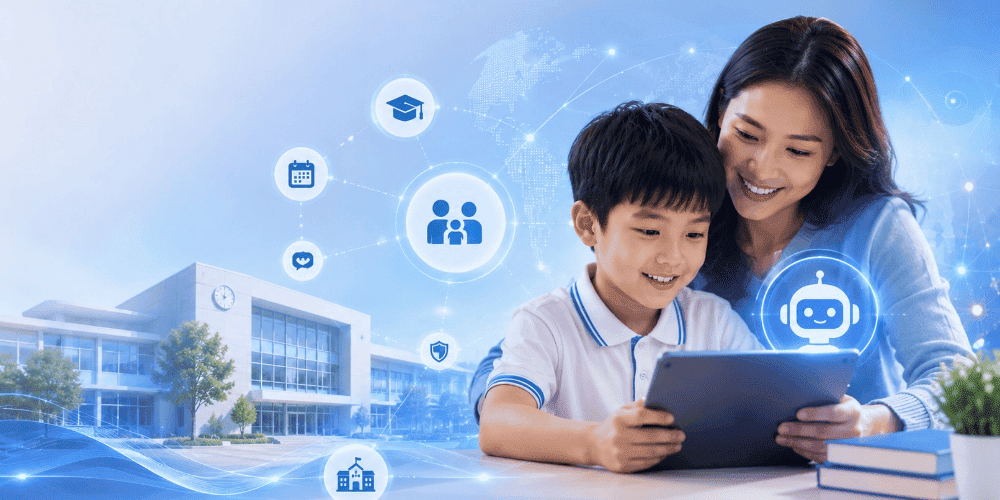
Student success depends on strong collaboration between schools and families. When parents stay informed and involved, students are more likely to perform better academically, attend school regularly, and feel supported throughout their learning journey.
However, keeping communication consistent with every family can be difficult as schools manage larger student populations and heavier administrative demands. This is where AI in education is helping schools communicate more efficiently, share timely updates, and create more personalized connections with parents.
Why Parent Engagement Matters in Education
Research consistently shows that students perform better when parents are actively involved in their education. Parents who understand their children’s academic progress, attendance, classroom activities, and school expectations are more likely to provide effective support at home.
Strong parent engagement can contribute to:
- Improved academic performance
- Better attendance and punctuality
- Increased student motivation
- Earlier identification of learning difficulties
- Stronger trust between families and schools
Despite these benefits, maintaining regular communication with hundreds or even thousands of families is not an easy task. Teachers already spend significant time preparing lessons, grading assignments, and supporting students. Administrative teams must also manage enrollment, scheduling, financial operations, and various daily responsibilities.
As a result, communication with parents often becomes reactive instead of proactive. Updates may only be shared when problems arise, limiting opportunities for collaboration. AI in education helps schools overcome these challenges by making communication faster, more consistent, and highly personalized.
Common Challenges in School-Family Communication
Before exploring how AI can help, it is important to understand the obstacles many schools face today. Even schools with strong intentions to keep parents informed often struggle with time, language, and workload limitations that make consistent communication difficult.
Limited Time for Teachers
Teachers frequently spend hours responding to similar questions about homework, attendance, examinations, school events, and classroom schedules. Repeating the same information for different parents reduces the time available for teaching and student support. Over time, this can create frustration for both teachers and families, especially when parents need quick answers.
Delayed Responses
Parents increasingly expect timely communication. However, during busy school days, responding immediately to emails or phone calls is often unrealistic. Delayed responses may create frustration and reduce parents’ confidence in school communication, particularly when they are trying to resolve urgent concerns about their child.
Language Barriers
Many schools serve diverse communities where parents speak different languages. Communicating effectively across multiple languages can be challenging without additional translation resources. When families cannot fully understand school messages, they may miss important updates or feel less comfortable participating in school activities.
Information Overload
Schools generate a large amount of information every day, including announcements, academic reports, event reminders, tuition notices, extracurricular activities, and emergency updates. Ensuring that each parent receives relevant information at the right time can become a complex administrative task. Without a clear system, important messages may get lost among less urgent communications.
Lack of Personalized Communication
Traditional communication methods often send the same message to every family, regardless of individual student needs. Parents may receive excessive information while missing updates that are most relevant to their child. This one-size-fits-all approach can make communication feel impersonal and reduce engagement over time.
These challenges demonstrate why many institutions are adopting AI in education to modernize communication and strengthen parent engagement. With the right tools, schools can move from broad, repetitive messaging to more targeted and meaningful interactions.
How AI in Education Improves Parent Engagement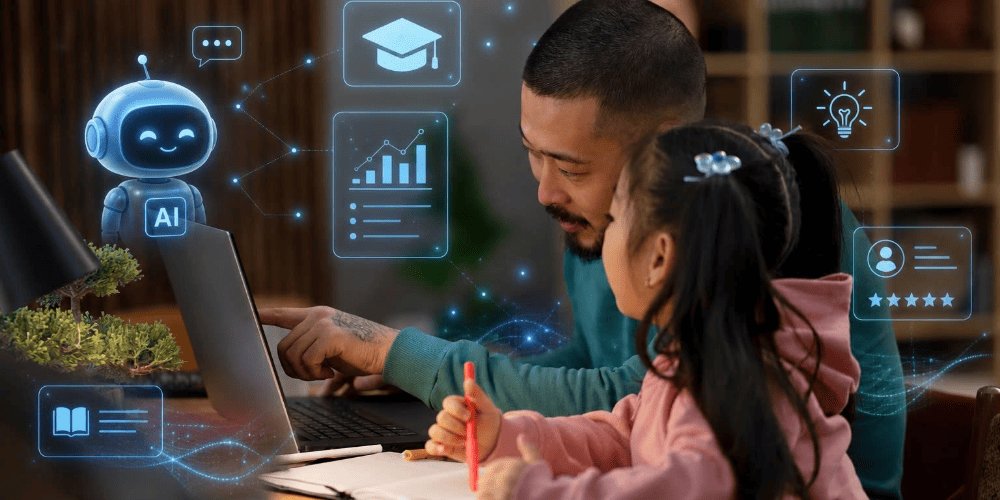
Providing Instant Answers Through AI Assistants
Parents often have routine questions such as:
- What time does school start tomorrow?
- When is the next parent-teacher meeting?
- Has my child’s homework been submitted?
- What documents are required for enrollment?
- When is tuition due?
Instead of requiring staff to answer these questions individually, AI-powered virtual assistants can provide accurate responses within seconds. These assistants can be available through school websites, mobile apps, or messaging platforms, making it easier for parents to get help whenever they need it.
Available 24/7, these assistants improve accessibility while reducing the workload for teachers and administrative staff. Parents no longer need to wait until office hours to receive basic information, and school teams can focus on more complex conversations that require human attention.
Delivering Personalized Student Updates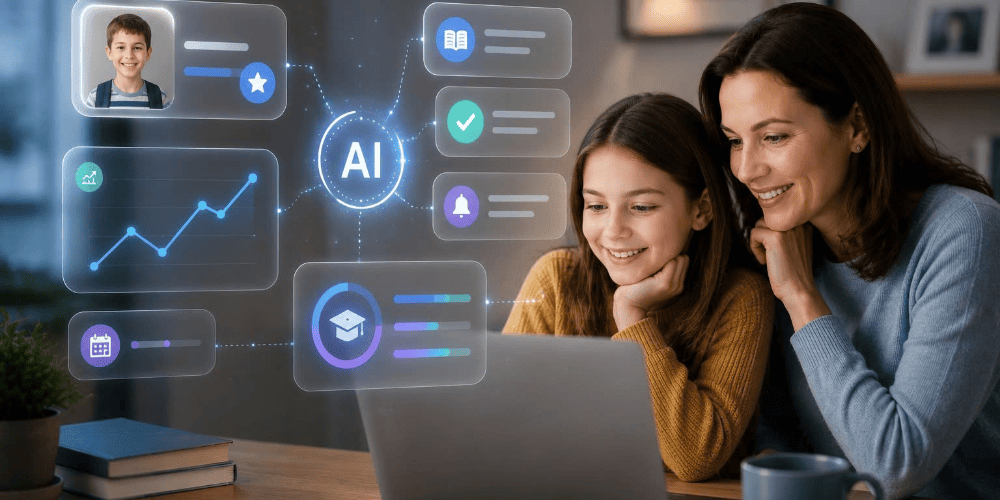
One of the greatest strengths of AI in education is its ability to personalize communication. Rather than sending generic announcements, AI systems can automatically deliver updates that are specific to each student. Parents may receive notifications about attendance, assignment completion, examination results, behavioral observations, or learning progress.
For example, instead of receiving a monthly report, parents can stay informed throughout the semester with timely updates that encourage early intervention when needed. This ongoing visibility helps families understand how their child is progressing and where additional support may be useful.
This personalized approach helps families become active partners in their children’s education instead of passive recipients of information. It also makes communication feel more relevant, which can increase the likelihood that parents will read and respond to school messages.
Automating Routine Notifications
Schools send thousands of reminders every academic year, including:
- Tuition payment reminders: Automatically remind parents about upcoming tuition deadlines to reduce late payments and minimize manual follow-up from administrative staff.
- Parent-teacher conference invitations: Send timely invitations with meeting details and reminder notifications to help parents attend scheduled conferences more consistently.
- School event announcements: Keep families informed about upcoming school activities, performances, field trips, and special events so they can participate more actively.
- Examination schedules: Notify parents about important exam dates in advance, allowing students and families to prepare effectively.
- Homework deadlines: Share assignment due dates and reminders to help parents support their children’s study routines and avoid missed submissions.
- Attendance notifications: Inform parents immediately when students are absent, late, or leave school unexpectedly, enabling faster communication when necessary.
- Emergency alerts: Deliver urgent notifications instantly during unexpected situations, ensuring parents receive critical information as quickly as possible.
Manually managing these communications consumes valuable administrative resources. Staff members must track dates, prepare messages, and ensure that each family receives the correct information at the right time, which can be difficult when schedules change frequently.
AI can automatically schedule and distribute notifications through email, SMS, or messaging applications based on predefined workflows. Parents receive consistent information at the right time, while staff spend less time on repetitive administrative tasks. Automation also reduces the risk of missed communications, ensuring that important updates reach families promptly and reliably.
Supporting Multilingual Communication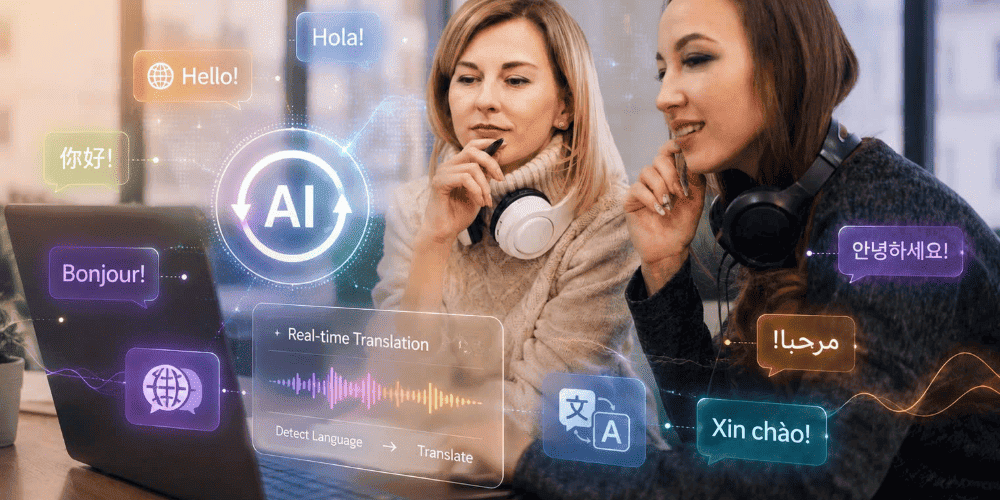
Modern schools often serve multicultural communities where parents speak different native languages. In these environments, language access is essential for meaningful engagement and equal participation.
AI-powered translation capabilities allow schools to communicate with families in their preferred language without requiring separate translations for every announcement. This makes information more accessible, improves inclusivity, and helps parents participate more confidently in their children’s education. It also reduces the burden on staff who would otherwise need to manage multiple versions of the same message.
By removing language barriers, AI in education enables stronger engagement across diverse communities. Families are more likely to respond, ask questions, and stay involved when communication is clear and easy to understand.
Identifying Students Who May Need Additional Support
AI can analyze patterns across attendance records, assessment results, classroom participation, and behavioral indicators to identify students who may benefit from additional support. This gives schools a more proactive way to monitor student well-being and academic progress.
Rather than waiting until problems become serious, schools can notify parents earlier and encourage collaborative intervention. For example, if a student’s attendance begins to decline while assignment completion decreases, AI can automatically alert relevant staff and recommend that parents be informed. This allows teachers and families to respond before the issue becomes more difficult to address.
This proactive communication enables schools and families to work together before academic challenges become more difficult to address. It also helps parents feel more involved in problem-solving, rather than being informed only after a student has already fallen behind.
Delivering Data-Driven Insights to Parents
Beyond simple notifications, AI in education can transform educational data into meaningful insights. Instead of presenting raw numbers or isolated updates, AI can organize information into clear summaries that help parents understand their child’s overall progress.
Parents can receive easy-to-understand summaries that highlight:
- Academic progress over time: AI tracks changes in academic performance across weeks or semesters, helping parents understand long-term learning trends instead of focusing on individual test scores.
- Attendance trends: Regular attendance reports highlight patterns of absences or lateness, allowing parents to identify potential concerns before they begin affecting academic performance.
- Learning strengths: AI identifies subjects or skills where students consistently perform well, enabling parents and teachers to encourage continued growth and confidence.
- Areas requiring improvement: By analyzing assessment results and classroom performance, AI can highlight subjects or competencies that may require additional support or intervention.
- Participation in school activities: Parents can stay informed about their child’s involvement in extracurricular activities, classroom discussions, or school events, providing a more complete view of student engagement.
- Achievement milestones: AI recognizes important accomplishments such as academic improvements, completed learning goals, or special achievements, allowing parents to celebrate progress and motivate continued success.
Instead of reviewing isolated grades, parents gain a comprehensive understanding of their child’s learning journey, allowing them to provide more targeted support at home. These insights can also help parents celebrate progress more effectively and recognize patterns that may need attention.
Benefits of AI-Powered Parent Engagement
Implementing AI-driven communication benefits every stakeholder within the educational ecosystem. When schools use technology thoughtfully, the result is not just faster communication but also stronger relationships and better support for students.
For Parents
Parents receive timely, accurate, and personalized information that helps them stay involved in their children’s education. Faster communication also reduces uncertainty and builds confidence in the school’s ability to support students. When parents feel informed, they are more likely to participate actively in school life.
For Teachers
Teachers spend less time answering repetitive administrative questions and more time focusing on instruction, lesson planning, and student development. AI supports communication without replacing the personal relationships teachers build with families. Instead, it gives teachers more space to have deeper and more meaningful conversations when they are needed most.
For School Administrators
Administrative teams can automate large portions of routine communication while improving operational efficiency. AI also provides valuable analytics that help schools evaluate engagement levels and continuously improve communication strategies. This makes it easier to identify what is working, where families are disengaged, and how outreach can be improved.
For Students
When parents and schools communicate effectively, students benefit from coordinated support both inside and outside the classroom. Early interventions, consistent expectations, and stronger collaboration contribute to improved learning outcomes and overall well-being. Students are more likely to succeed when the adults around them are aligned and informed.
Best Practices for Implementing AI in Education for Parent Engagement
Successfully adopting AI in education requires more than introducing new technology. Schools should develop a clear implementation strategy that supports both educators and families while ensuring that communication remains human-centered and trustworthy.
Key considerations include:
- Define communication goals before selecting AI tools.
- Ensure data privacy and comply with relevant regulations.
- Keep teachers involved in important conversations that require human judgment.
- Train staff to use AI effectively alongside existing workflows.
- Continuously collect feedback from parents to improve communication quality.
AI should enhance human relationships rather than replace them. The most successful schools combine intelligent automation with meaningful personal interactions, using technology to support connection rather than distance.
The Future of Parent Engagement with AI
As AI technologies continue to evolve, communication between schools and families will become increasingly intelligent and proactive. Instead of simply reacting to questions or problems, schools will be able to anticipate needs and provide support earlier in the student journey.
Future applications of AI in education may include predictive engagement models, personalized learning recommendations for parents to support learning at home, voice-based virtual assistants, emotion-aware communication tools, and integrated platforms that connect academic, behavioral, and extracurricular information into a unified parent experience. These tools could make it easier for families to understand their child’s progress and stay connected to school life in real time.
These innovations will help schools move beyond one-way communication toward continuous collaboration with families throughout every stage of a student’s educational journey. As a result, parent engagement can become more consistent, more meaningful, and more effective.
Conclusion
Parent engagement remains one of the strongest contributors to student success, but maintaining it at scale can be challenging. AI in education helps schools communicate more efficiently, personalize updates, and support families with timely information.
By combining automation with human connection, schools can strengthen school-family relationships and create a more supportive learning environment for every student. Educational institutions looking to modernize communication and improve operational efficiency can explore intelligent AI solutions from Lifesup AI.
Lifesup AI empowers educational institutions with intelligent AI solutions that automate routine workflows, deliver personalized communication, and strengthen collaboration between schools and families. Discover how Lifesup AI can support your digital transformation journey.
>>Read more: AI Solution for Personalized Learning and Enhanced Educational Outcomes