
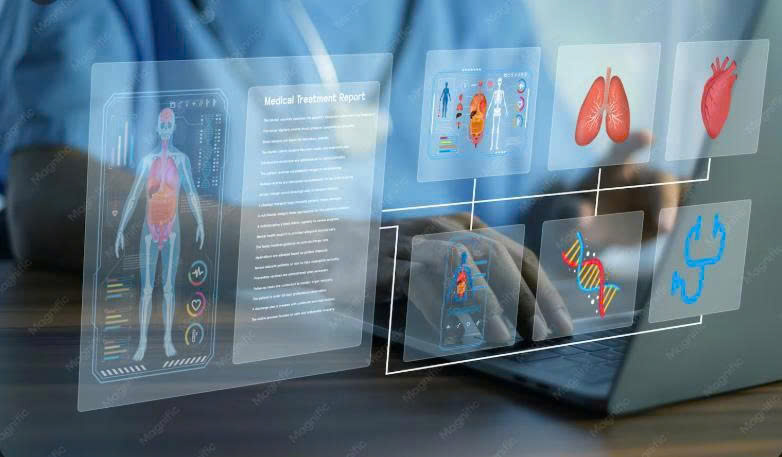
The healthcare industry today is facing more operational pressure than ever before. From staff shortages and increasing administrative workloads to the growing demand for better patient experiences, healthcare organizations need more than traditional management tools to operate efficiently.
This is why AI in healthcare is becoming one of the most important solutions for modern healthcare management.
However, instead of focusing only on AI diagnostics or medical imaging, many healthcare providers are now prioritizing AI applications in:
- healthcare workflow automation
- patient coordination
- healthcare operational management
- administrative automation
- AI-powered healthcare operations
This shift shows that AI is no longer just a clinical support technology but is becoming an essential part of modern healthcare management and operational strategies.
Why AI in Healthcare Management Matters
In many healthcare centers, most operational challenges come from:
- repetitive administrative tasks
- fragmented data management
- difficulties in post-visit patient follow-up
- overloaded customer care and nursing teams

These issues not only reduce operational efficiency but also directly impact patient experience and quality of care.
AI-powered healthcare management systems help healthcare organizations automate workflows, centralize data, and improve patient care coordination more effectively.
AI Automation for Doctors, Nurses, and Clinic Managament
One of the most important applications of AI in healthcare today is helping healthcare staff and operational teams reduce manual workloads and improve efficiency.
AI Support for Doctors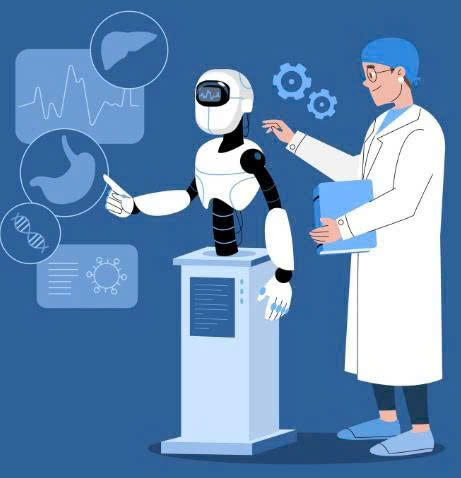
AI helps doctors access and process patient information faster, allowing them to focus more on clinical care.
One of the most important applications of AI in healthcare is reducing the non-clinical burden placed on doctors. According to multiple studies, physicians spend up to 50–60% of their working time on tasks unrelated to direct patient care, which is a concerning reality that raises an important question: are doctors truly spending their time doing what they were trained to do?
Non-Clinical Tasks That Consume Doctors’ Time
- Reviewing and updating electronic medical records (EMRs)
- Monitoring lab results and medical imaging reports
- Managing treatment plans and medication adjustments
- Updating patient information after consultations
- Handling post-discharge administrative tasks
How AI Supports Doctors
Modern healthcare AI systems can:
- Automatically summarize patient histories and treatment records for each consultation
- Provide intelligent alerts for abnormal indicators requiring urgent attention
- Support task management by reminding doctors about pending follow-ups and lab results
- Optimize appointment schedules based on patient condition and priority level
As a result, doctors can spend more time on actual clinical care instead of getting overwhelmed by paperwork and repetitive administrative tasks.
“The goal of AI in healthcare is not to replace doctors but still help doctors focus on their true role: treating and caring for patients.”
AI Support for Nurses and Customer Care Teams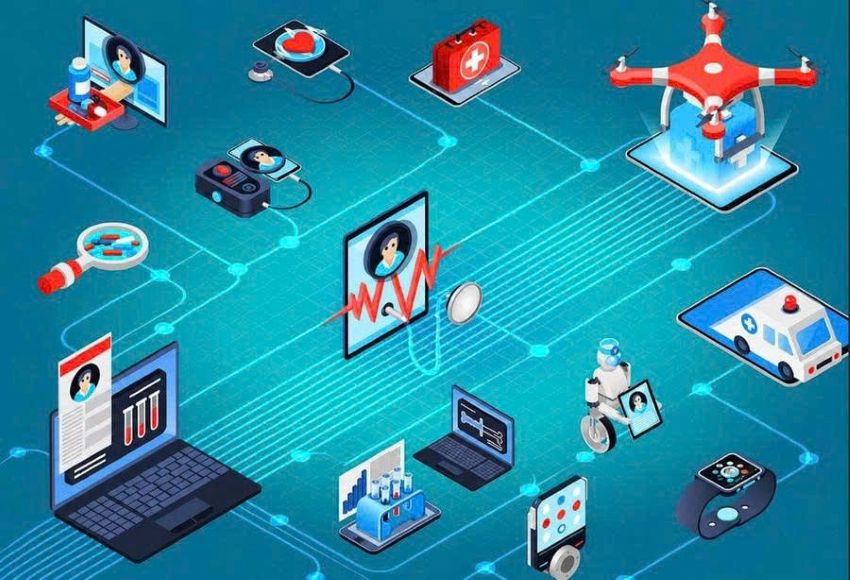
Nurses and customer care teams are not only on the front line of the patient experience journey, but they are also the most vulnerable to operational overload when processes are handled manually. Every day, they must manage dozens or even hundreds of repetitive tasks such as appointment reminders, follow-up coordination, and responding to basic patient inquiries.
Tasks That Can Be Automated With AI
- Automatically sending appointment and medication reminders via SMS, Zalo, or email
- Supporting post-treatment follow-up and care tracking
- Managing and updating care records in real time
- Categorizing and automatically responding to common patient requests
- Coordinating information between departments within the same healthcare facility
By automating workflows with AI, nursing and customer care teams can significantly reduce repetitive workloads, improve response times, and focus on cases that truly require human intervention.
This not only benefits healthcare staff but also directly improves the patient experience through:
- fewer missed communications
- faster response times
- more continuous and personalized care
AI Optimization for Clinics and Hospitals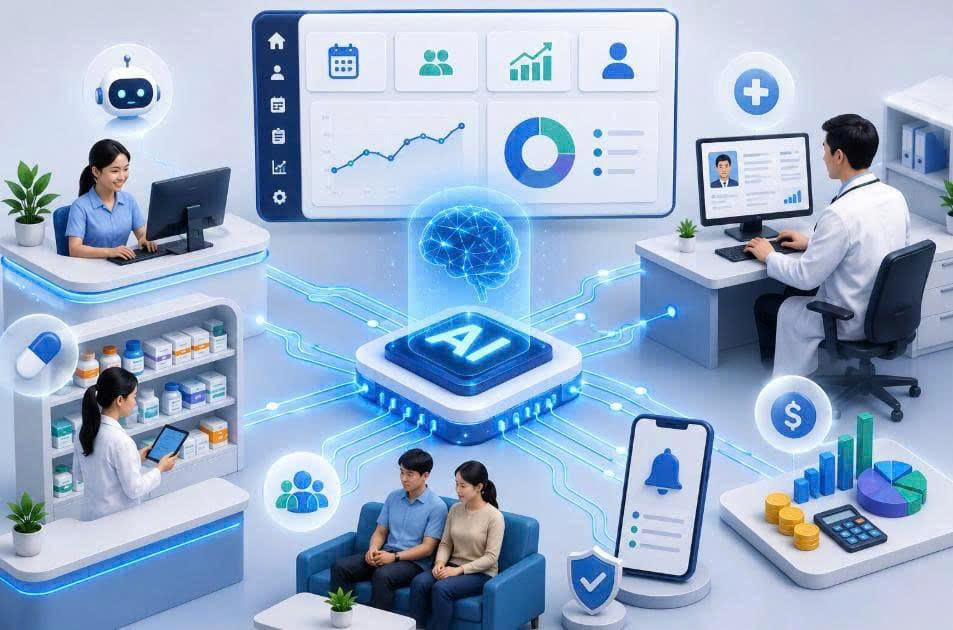
AI-powered dashboards help healthcare administrators monitor operational activities in real time.
For hospital and clinic managers, the challenge is not only delivering better patient care but also operating more efficiently. This is one of the areas where AI is creating the clearest and most measurable impact.
AI Applications in Healthcare Operations Management
- Patient Flow Management: Track patient status, allocate resources, and forecast operational demand in real time.
- Cross-Department Data Synchronization: Connect information between departments and eliminate fragmented or inconsistent data.
- Appointment and Healthcare CRM Management: Automate the entire appointment lifecycle which from registration and confirmation to reminders and post-visit follow-up.
- Intelligent Operational Reporting: Analyze operational data in real time to support faster and more accurate management decisions.
Measurable Operational Benefits
Healthcare organizations implementing AI workflow optimization often experience:
- reduced patient waiting times
- significantly fewer operational errors caused by manual processes
- improved internal coordination between departments
- stronger overall operational KPIs
AI Enhancing Patient Experience and Care Coordination
In addition to supporting healthcare teams, AI is significantly improving the patient journey by creating a more proactive, continuous, and personalized care experience.
Common Challenges Patients Often Face
- Forgetting to take medications on time or missing follow-up appointments
- Difficulty tracking treatment progress and health indicators
- Lack of support channels after leaving healthcare facilities
- Uncertainty about where to ask questions or seek assistance
Intelligent Treatment Follow-Up Systems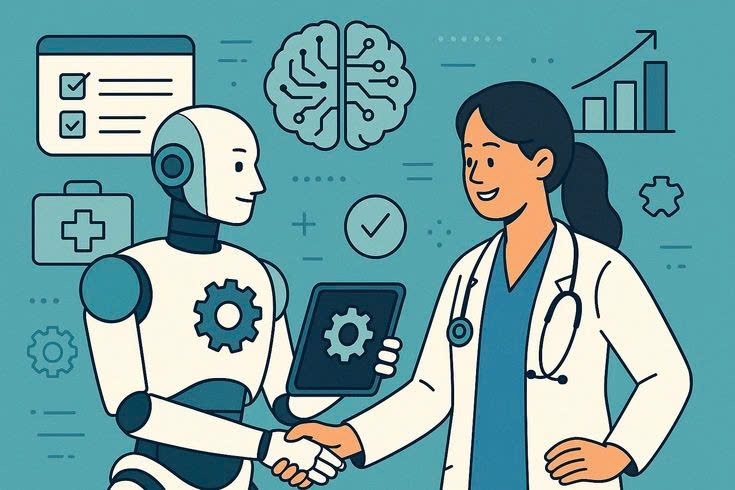
AI can support patients throughout their treatment journey through:
- Personalized medication and appointment reminders
- Real-time health indicator tracking and updates
- Proactive notifications for upcoming treatment steps
- Recovery monitoring and early alerts for abnormal signs
These intelligent follow-up systems help patients stay engaged with their treatment plans and improve overall care continuity.
Continuous Communication and AI-Powered Support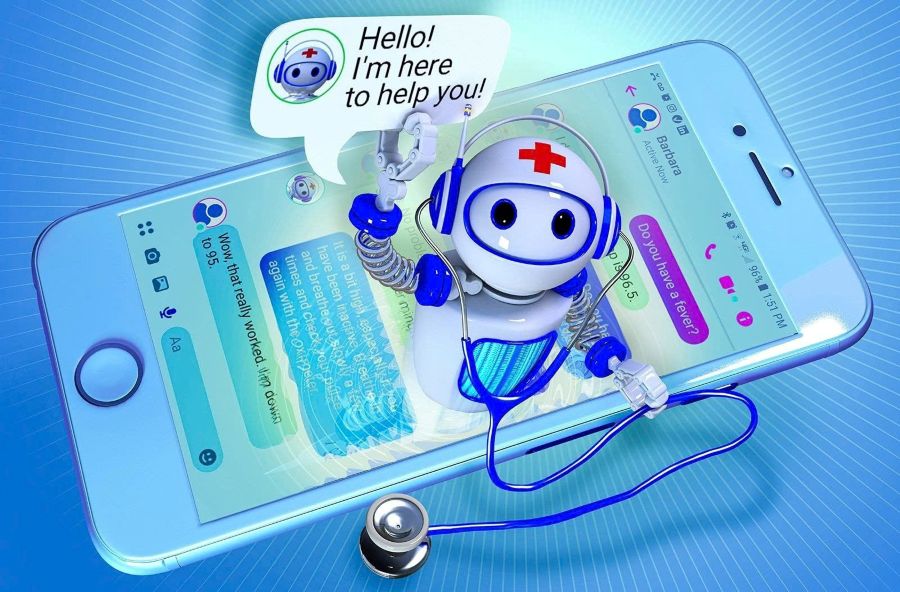
AI systems also enable:
- Healthcare chatbots that answer basic patient questions 24/7
- Step-by-step guidance through healthcare procedures and administrative processes
- Online appointment booking and remote consultation support
- Seamless communication between doctors, nurses, and patients on a unified platform
Maintaining continuous communication helps improve treatment adherence, reduce unplanned readmissions, and significantly enhance overall patient satisfaction which are key metrics that are becoming increasingly important in modern healthcare strategies.
Future of AI in Healthcare Operations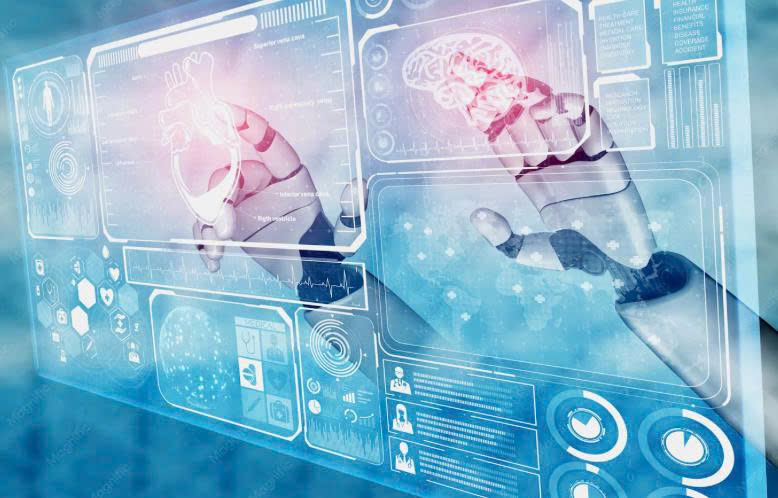
The future of AI in healthcare is not limited to clinical AI alone but also includes building smarter healthcare operational ecosystems.
Key trends include:
- AI workflow optimization
- healthcare operational automation
- AI-powered patient coordination
- intelligent healthcare management
- generative AI in healthcare operations
- scalable AI workflow systems
In the near future, AI will act as an “operational layer” that helps healthcare organizations automate and optimize their entire management systems.
Conclusion
AI in healthcare is transforming how healthcare organizations manage operations and patient care.
From supporting doctors, nurses, and clinic administrators to AI-powered patient support systems, artificial intelligence is helping healthcare providers:
- reduce administrative burden
- optimize healthcare workflows
- improve patient experience
- enhance operational efficiency
LifeSup AI develops AI solutions for healthcare workflow automation, patient care coordination, and healthcare operational management to help healthcare centers optimize operations and improve patient care quality in modern healthcare environments.
>>Read more: AI-powered bid processing for medical equipment