

Table of Contents
ToggleIntroduction
The retail industry is entering a new era where customer expectations evolve faster than ever before. Consumers no longer simply want products; they expect personalized shopping journeys, seamless omnichannel experiences, intelligent recommendations, instant support, and operational efficiency at every touchpoint. In this landscape, artificial intelligence has become one of the most transformative technologies shaping the future of commerce.
From predictive analytics and smart inventory management to AI-powered customer engagement and automated operations, artificial intelligence is fundamentally changing how retailers operate, compete, and grow. Companies that successfully integrate AI into their retail ecosystems are gaining measurable advantages in customer satisfaction, operational performance, and long-term scalability.
Today, artificial intelligence and retail are no longer separate concepts. AI has become a core strategic driver behind modern retail transformation.
What Is Artificial Intelligence in Retail?
Artificial intelligence in retail refers to the use of AI technologies such as machine learning, computer vision, natural language processing (NLP), predictive analytics, and automation to improve retail operations, customer experiences, and business decision-making.
AI enables retailers to analyze large volumes of data in real time, automate repetitive tasks, predict customer behavior, and optimize every stage of the retail value chain.
These technologies are now being applied across multiple retail functions, including:
- Customer service
- Supply chain management
- Inventory forecasting
- Product recommendations
- Marketing automation
- Dynamic pricing
- Fraud detection
- Visual search
- Smart checkout systems
As retail becomes increasingly data-driven, AI acts as the intelligence layer that helps businesses transform raw information into actionable insights.
Why Artificial Intelligence Matters in Retail
Rising Customer Expectations
Modern consumers expect retailers to understand their preferences, anticipate their needs, and deliver highly personalized experiences. Traditional retail systems struggle to keep up with these demands because they rely heavily on manual processes and fragmented data.
Artificial intelligence allows retailers to create adaptive customer journeys powered by real-time behavioral insights.
For example, AI can:
- Recommend products based on browsing history
- Predict future purchases
- Customize promotions
- Deliver conversational customer support
- Optimize loyalty programs
The result is a more engaging and customer-centric shopping experience.
Increasing Operational Complexity
Retail operations involve complex workflows that include procurement, logistics, pricing, inventory management, marketing, and customer support. Managing these systems manually often leads to inefficiencies, stock shortages, overstocking, and delayed decision-making.
AI helps retailers streamline operations by automating repetitive processes and improving forecasting accuracy.
Retailers can use AI to:
- Predict demand fluctuations
- Optimize warehouse operations
- Reduce inventory waste
- Improve supply chain visibility
- Detect anomalies in real time
This operational intelligence becomes especially valuable in highly competitive retail environments.
The Growth of Omnichannel Retail
Consumers now interact with brands across websites, mobile apps, physical stores, social commerce platforms, and marketplaces. Maintaining consistency across these channels is one of the biggest challenges for retailers.
Artificial intelligence helps unify omnichannel retail experiences by connecting customer data across platforms and delivering consistent engagement.
AI-powered systems can synchronize:
- Inventory visibility
- Customer profiles
- Personalized promotions
- Order management
- Marketing campaigns
- Customer support interactions
This creates a seamless retail ecosystem where online and offline experiences work together.
Key Technologies Behind Artificial Intelligence in Retail
Machine Learning
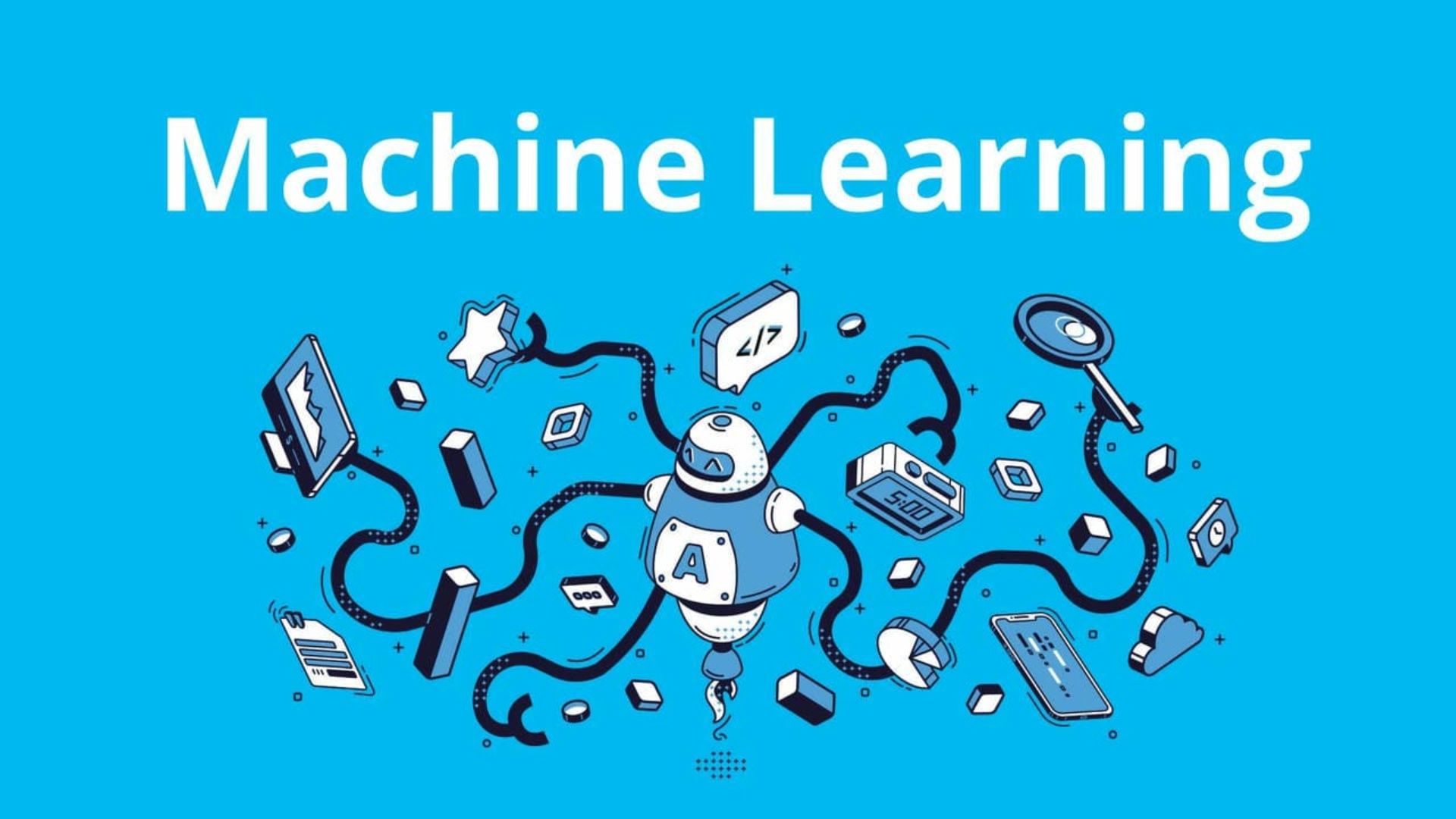
Machine learning enables retail systems to learn from data patterns and continuously improve predictions over time.
Retailers use machine learning for:
- Demand forecasting
- Product recommendations
- Customer segmentation
- Churn prediction
- Sales forecasting
- Fraud detection
Machine learning algorithms become more accurate as they process larger datasets, making them highly valuable for scaling retail intelligence.
Natural Language Processing (NLP)
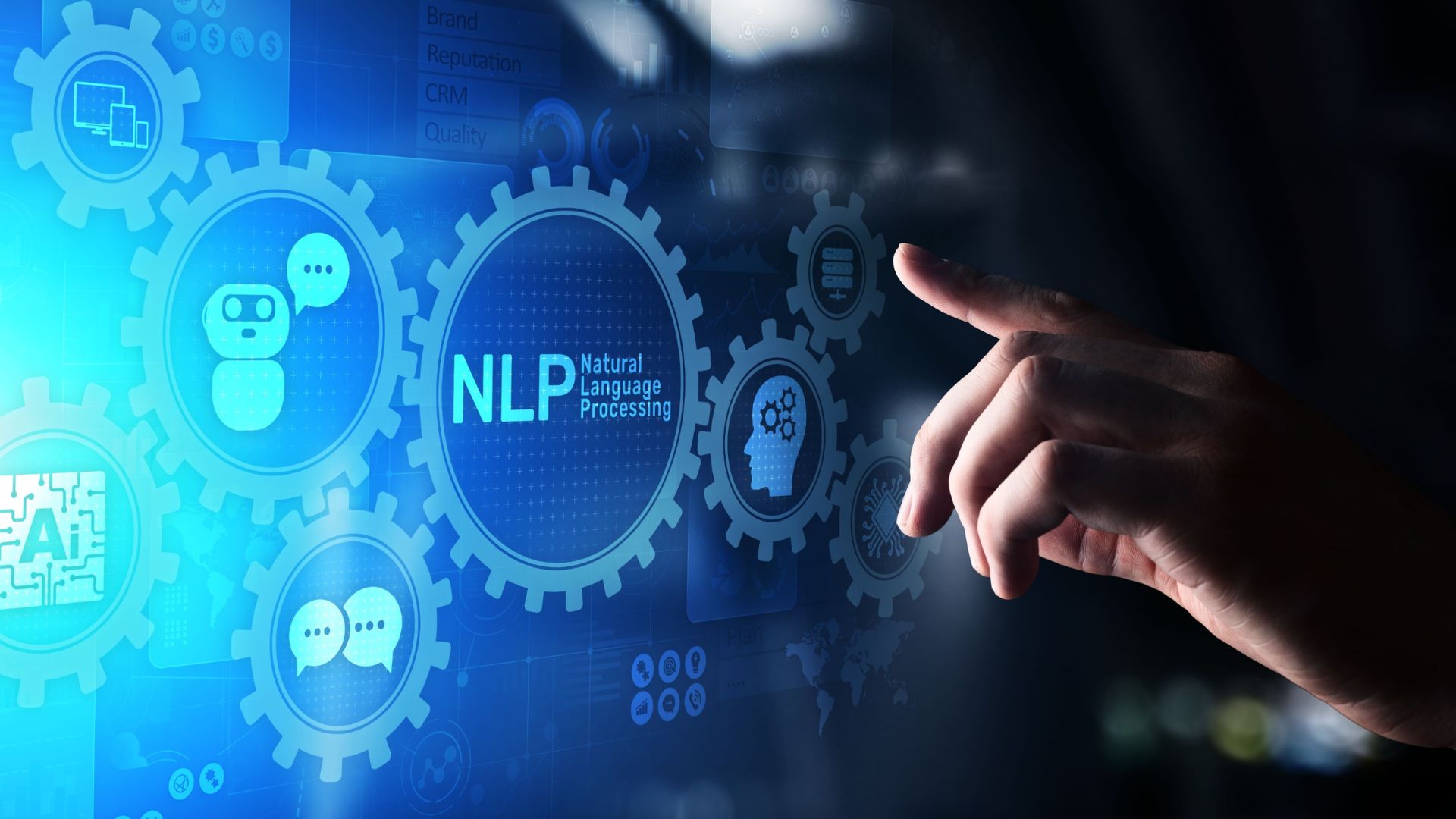
Natural language processing allows AI systems to understand and respond to human language.
In retail, NLP powers:
- AI chatbots
- Virtual shopping assistants
- Sentiment analysis
- Voice commerce
- Automated customer support
Retailers can provide faster and more personalized customer interactions while reducing support workload.
Computer Vision
Computer vision enables AI systems to analyze images and videos.
Retail applications include:
- Smart shelves
- Automated checkout
- Facial recognition
- Foot traffic analysis
- Product recognition
- Loss prevention systems
Computer vision technology is becoming increasingly important in modern smart retail environments.
Predictive Analytics
Predictive analytics uses historical and real-time data to forecast future outcomes.
Retailers use predictive analytics to:
- Forecast inventory demand
- Predict buying behavior
- Optimize pricing strategies
- Identify market trends
- Reduce stockouts
This helps businesses make proactive rather than reactive decisions.
Major Use Cases of Artificial Intelligence in Retail
Personalized Shopping Experiences
AI-Powered Product Recommendations
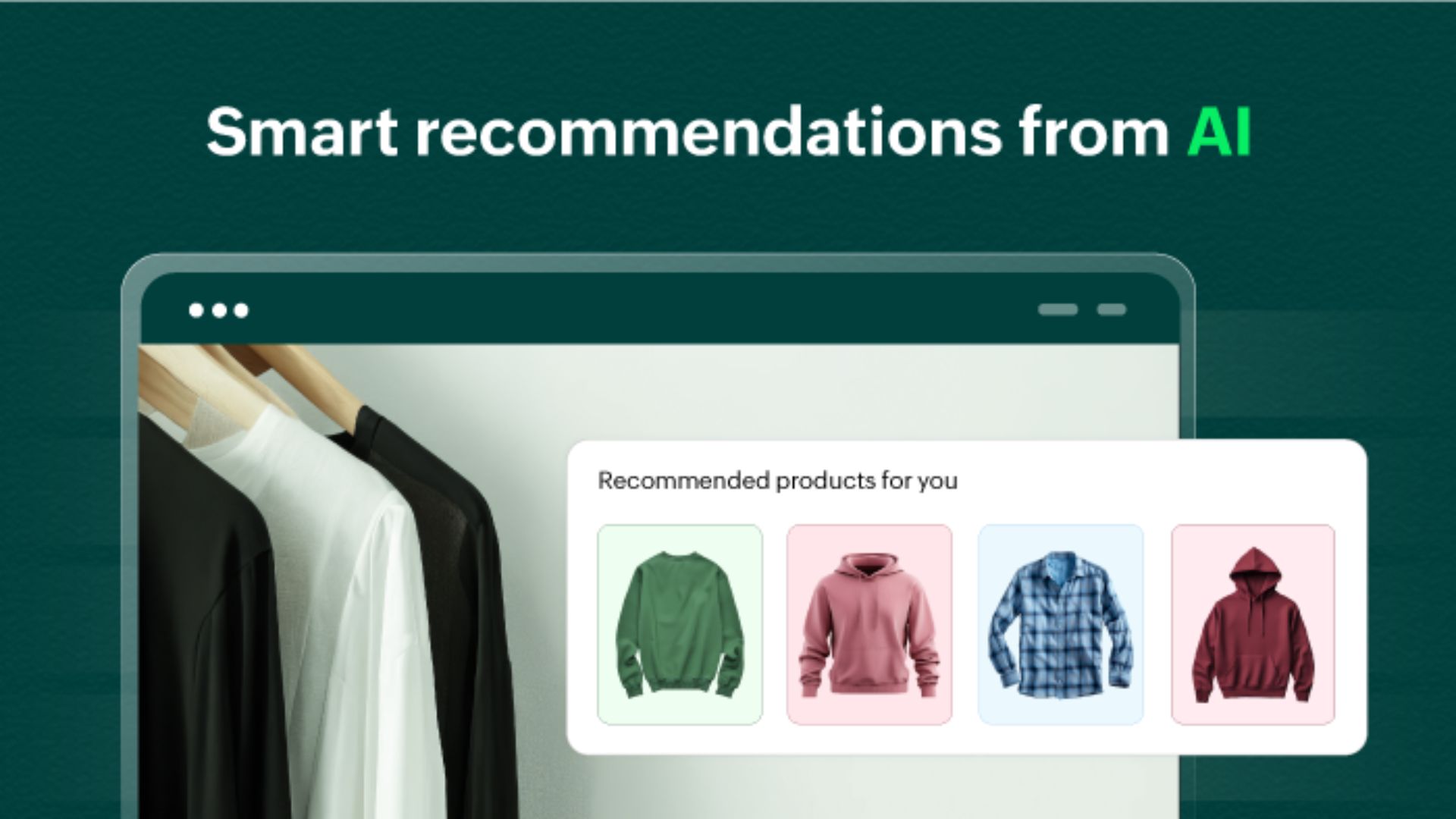
Recommendation engines are one of the most visible applications of AI in retail. Platforms analyze browsing behavior, purchase history, and customer preferences to suggest highly relevant products.
These recommendation systems increase:
- Conversion rates
- Average order value
- Customer retention
- Cross-selling opportunities
Personalization has become a critical competitive advantage in modern retail.
Dynamic Customer Segmentation
Traditional customer segmentation often relies on static demographic data. AI enables dynamic segmentation based on behavioral patterns, purchasing habits, and engagement history.
Retailers can create more targeted campaigns by understanding:
- Shopping frequency
- Brand preferences
- Purchase intent
- Seasonal behavior
- Customer lifetime value
This leads to more effective marketing strategies and stronger customer relationships.
Inventory Management and Demand Forecasting
One of the biggest challenges in retail is maintaining the right inventory levels.
AI helps retailers forecast demand with greater accuracy by analyzing:
- Historical sales
- Seasonal trends
- Weather conditions
- Consumer behavior
- Market fluctuations
Benefits of AI Inventory Management
Reduced Overstocking
Retailers avoid unnecessary inventory costs by maintaining optimized stock levels.
Lower Stockout Risks
AI forecasting helps ensure popular products remain available during peak demand periods.
Improved Warehouse Efficiency
AI-driven inventory systems improve warehouse organization and replenishment planning.
AI in Supply Chain Optimization
Intelligent Logistics Planning
Artificial intelligence enhances logistics by optimizing transportation routes, delivery schedules, and warehouse coordination.
Retailers can reduce operational costs while improving delivery speed and customer satisfaction.
Real-Time Supply Chain Visibility
AI systems monitor supply chain performance in real time and identify disruptions before they escalate.
This allows businesses to respond quickly to:
- Supplier delays
- Demand spikes
- Inventory shortages
- Shipping bottlenecks
Supply chain resilience has become a critical priority for global retailers.
AI-Powered Customer Service in Retail
Virtual Shopping Assistants
AI chatbots and virtual assistants provide instant support across websites, apps, and social platforms.
These systems help customers:
- Find products
- Track orders
- Receive recommendations
- Resolve issues
- Access personalized promotions
Unlike traditional support systems, AI assistants operate 24/7 and continuously improve through interaction data.
Sentiment Analysis
Retailers use AI sentiment analysis to understand customer opinions across reviews, social media, and surveys.
This helps businesses identify:
- Customer pain points
- Brand perception
- Product feedback
- Emerging trends
Retailers can make faster improvements based on real customer insights.
Artificial Intelligence and Smart Retail Stores
Automated Checkout Systems
AI-powered checkout systems reduce friction in physical stores by enabling cashier-less shopping experiences.
Computer vision and sensor technologies track products automatically, allowing customers to complete purchases without traditional checkout processes.
This improves:
- Store efficiency
- Customer convenience
- Queue management
Smart Shelves
Smart shelves use AI and IoT technologies to monitor inventory levels in real time.
Retailers receive alerts when products are:
- Running low
- Incorrectly placed
- Frequently touched
- Removed unexpectedly
This helps improve merchandising efficiency and inventory accuracy.
Benefits of Artificial Intelligence in Retail
Enhanced Customer Experience
AI allows retailers to deliver faster, more personalized, and more engaging shopping experiences.
Customers benefit from:
- Personalized recommendations
- Faster support
- Better product discovery
- Seamless omnichannel interactions
Increased Operational Efficiency
Retailers can automate repetitive workflows and reduce manual workloads across departments.
AI improves efficiency in:
- Inventory management
- Customer support
- Marketing automation
- Order processing
- Data analysis
Better Decision-Making
AI provides retailers with real-time insights and predictive intelligence that support strategic decision-making.
Businesses can respond faster to:
- Market trends
- Customer behavior changes
- Supply chain disruptions
- Pricing fluctuations
Revenue Growth
Artificial intelligence directly contributes to higher revenue through:
- Improved conversion rates
- Better personalization
- Optimized pricing
- Reduced operational costs
- Stronger customer retention
Retailers that effectively implement AI often gain a measurable competitive advantage.
Challenges of Implementing AI in Retail
Data Quality and Integration
AI systems require accurate and centralized data to function effectively. Many retailers still operate with fragmented systems and disconnected datasets.
Poor data quality can limit AI performance and reduce forecasting accuracy.
High Initial Investment
Implementing AI technologies may require significant investments in infrastructure, integration, and training.
However, long-term operational savings often outweigh the initial implementation costs.
Change Management
Retail transformation involves more than technology adoption. Organizations must also prepare teams, workflows, and leadership structures for AI-driven operations.
Successful AI implementation requires:
- Employee training
- Cross-department collaboration
- Clear digital strategies
- Scalable infrastructure
Future Trends of Artificial Intelligence in Retail
Hyper-Personalization
Future retail experiences will become increasingly personalized through AI-driven behavioral intelligence and predictive engagement.
Retailers will deliver:
- Real-time product recommendations
- Personalized pricing
- Adaptive shopping experiences
- Context-aware promotions
Autonomous Retail Operations
AI-powered automation will continue transforming supply chains, warehouses, and store operations.
Retailers are moving toward:
- Autonomous fulfillment centers
- Self-optimizing inventory systems
- AI-driven procurement
- Automated customer engagement
AI Agents in Retail
The next evolution of retail AI involves intelligent AI Agents capable of handling complex workflows autonomously.
These AI Agents can support:
- Retail operations management
- Customer communication
- Inventory coordination
- Internal knowledge retrieval
- Workflow automation
AI Agents represent a major shift from simple automation toward intelligent operational ecosystems.
How Retail Businesses Can Successfully Adopt AI
Start with Clear Business Objectives
Retailers should identify specific operational challenges before implementing AI solutions.
Common starting points include:
- Customer service automation
- Inventory forecasting
- Marketing personalization
- Supply chain optimization
Build a Scalable Data Foundation
AI performance depends heavily on data quality and accessibility.
Retailers should prioritize:
- Centralized data systems
- Real-time analytics
- Secure infrastructure
- Cross-platform integration
Focus on Long-Term Transformation
Artificial intelligence is not a short-term trend. Retailers that treat AI as a long-term strategic investment are more likely to achieve sustainable results.
AI adoption should align with broader digital transformation goals.
Conclusion
Artificial intelligence is redefining the retail industry by transforming how businesses operate, engage customers, and scale operations. From predictive analytics and intelligent automation to AI-powered customer experiences, retailers are leveraging AI to create smarter, faster, and more adaptive business models.
As competition intensifies and customer expectations continue evolving, artificial intelligence will become even more essential for retail success. Businesses that invest in AI today are positioning themselves to lead the future of commerce.
The future of retail is not simply digital. It is intelligent, connected, predictive, and AI-driven.
Transform Your Retail Operations with AI
Retail businesses looking to modernize operations, improve customer engagement, and build scalable AI-driven ecosystems need solutions that go beyond basic automation.
With advanced AI platforms, intelligent workflow automation, enterprise AI search, and AI Agent capabilities, organizations can accelerate digital transformation while improving operational efficiency across the retail value chain.
To explore how AI solutions can support your retail transformation journey, contact Lifesup AI and discover how intelligent AI ecosystems are shaping the future of modern retail.