

A subfield of computer science known as artificial intelligence (AI)is responsible for the creation of intelligent machines. Even tasks that call for human intelligence can be completed by these machines. Deep learning and machine learning are two examples of AI methods that are used to make tasks seem more natural. In every sector of the technology industry, a paradigm shift has occurred due to the significant advancement of these two capabilities.
What Is Artificial Intelligence?
Artificial Intelligence (AI) is the simulation of human intelligence by machines, enabling them to learn, reason, solve problems, and act autonomously. By utilizing technologies such as machine learning, neural networks, and natural language processing, AI can analyze massive datasets to detect patterns, make predictions, and automate complex tasks with high precision.
Benefits of Artificial Intelligence
With no downtime, artificial intelligence can function round-the-clock. Compared to humans, which require time to rest, eat, and sleep, this alone is a significant advancement. Humans can be replaced by artificial intelligence when they require time off. Smart solutions can be utilized everywhere thanks to AL’s global deployment and vast markets
Automation and Productivity Optimization
AI is capable of handling repetitive tasks with extreme speed and high stability. From sorting thousands of emails daily to managing complex production lines in factories, AI helps liberate humans from mundane work, allowing resources to be focused on strategic thinking and creativity. Example: At Amazon, instead of having employees walk miles to find items, AI-controlled robots automatically locate, organize, and bring shelves directly to packing stations. As a result, order processing time has been slashed from 60–75 minutes to less than 15 minutes.
High Accuracy and Reduced Human Error
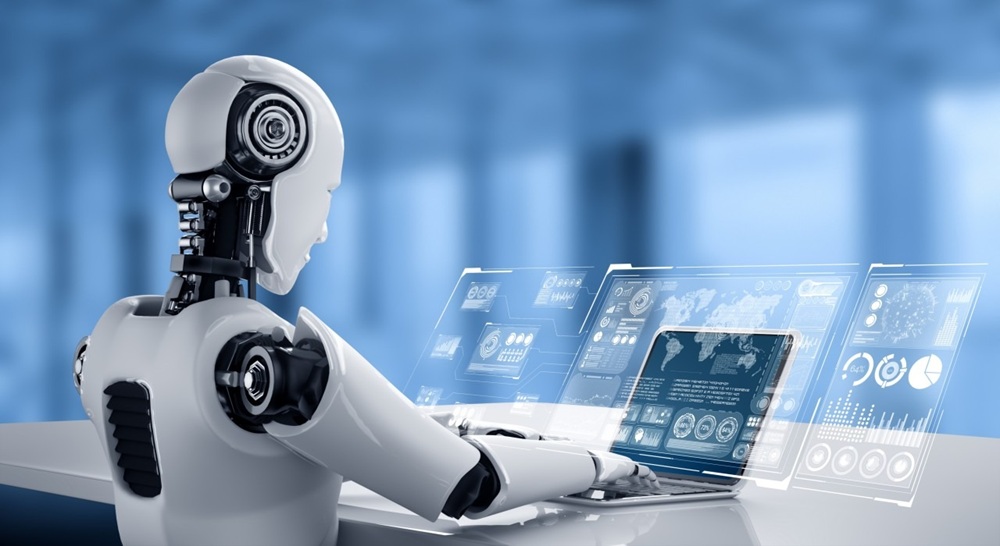
AI demonstrates a definitive advantage in fields requiring absolute meticulousness because it is unaffected by fatigue or emotion. Algorithms can perform micro-calculations and complex technical operations with an error rate near zero. This minimizes human error in calculation, diagnosis, and quality control—factors that are vital in sectors like healthcare and finance.
Data Analysis and Intelligent Decision-Making
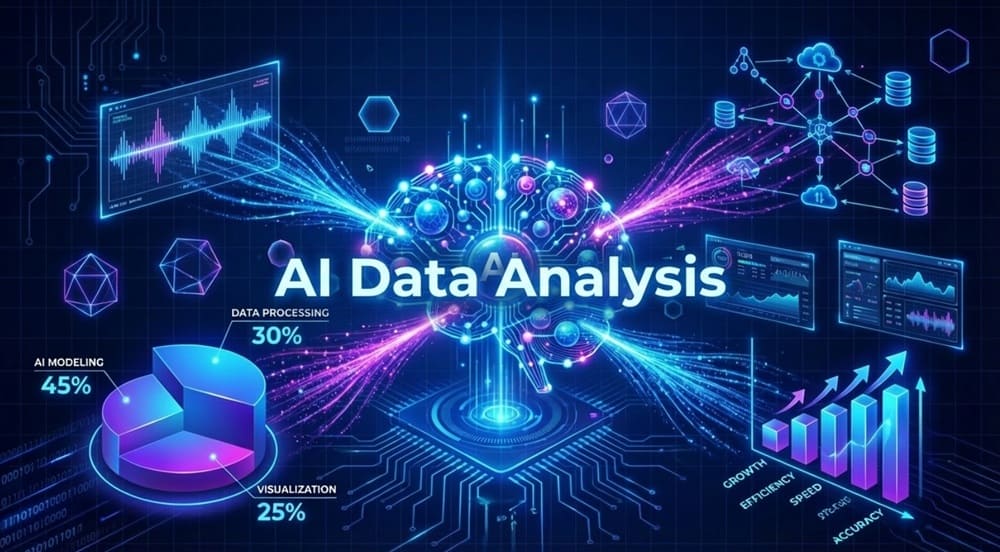
AI plays a core role in extracting value from the massive data sources of the digital era. With the ability to process billions of bytes in seconds, AI accurately identifies patterns and predicts trends. Consequently, leaders can make intelligent decisions based on real-time data and empirical evidence rather than intuition.
Personalized User Experience
AI creates unique experiences for each individual by continuously analyzing and learning from user behavior. This process ensures individual needs are met precisely, enhancing satisfaction and optimizing interaction between customers and services. Example on Netflix, AI analyzes viewing history and interaction patterns to automatically suggest movies tailored to individual tastes. The system even changes movie thumbnails to match each user’s aesthetic preference, significantly increasing engagement time and satisfaction.
Enhanced Human Safety
AI plays a crucial role in protecting human lives by replacing people in hazardous environments, such as handling toxic waste, clearing landmines, or exploring the deep ocean. Additionally, AI-integrated smart security systems can identify and predict risky situations early.
Improved Education Quality
Every learner has a unique style and pace, which traditional educational models often struggle to accommodate. AI addresses this limitation by analyzing learning data to identify a student’s capabilities, strengths, and weaknesses. From there, AI supports the creation of customized learning paths and curriculum, optimizing knowledge absorption and helping teachers monitor progress more effectively.

Advancements in Transportation and Logistics
The emergence of self-driving vehicles and drones is reshaping the transportation landscape. In logistics, AI optimizes warehouse layouts and calculates the shortest delivery routes, significantly saving operational costs and shortening delivery times.
Read more: 5 Advantages and Disadvantages of AI in Education
Enhanced Financial and Banking Services
In the financial industry, AI is a core tool for optimizing operations and security. Its application in banking helps automate credit scoring and accelerates loan approvals. The technology is capable of detailed financial profile analysis by processing historical data and spending behaviors, thereby identifying signs of fraud and anomalies in real-time. Example, JPMorgan Chase utilizes AI software to review complex loan contracts. A task that previously required 360,000 hours of manual work annually is now completed in seconds with absolute precision.
Improved Healthcare and Medical Services
Improving Healthcare and Medical Quality Artificial Intelligence is playing a pivotal role in assisting doctors to diagnose pathologies more accurately through the advanced analysis of X-rays and MRI scans with exceptional processing speeds. Beyond diagnosis, AI also facilitates remote patient monitoring via smart devices and enables the development of personalized treatment plans. This optimization of treatment efficacy significantly reduces the burden on healthcare systems.
Example, Google Health’s AI algorithms have demonstrated the ability to screen for breast cancer in medical imaging with higher accuracy than leading radiologists. By substantially reducing misdiagnosis rates, this technology increases the chances for timely and life-saving treatment.

Breakthroughs in Scientific Research
In the research field, AI serves as a high-performance computing foundation, enabling the simulation of complex molecular models for the development of new pharmaceuticals and materials. This technology has the capacity to solve intricate problems such as decoding protein structures—a challenge that traditional methods required decades to address. The application of AI significantly shortens the Research and Development (R&D) cycles in biological and chemical industries.
Advanced and Smart Agriculture
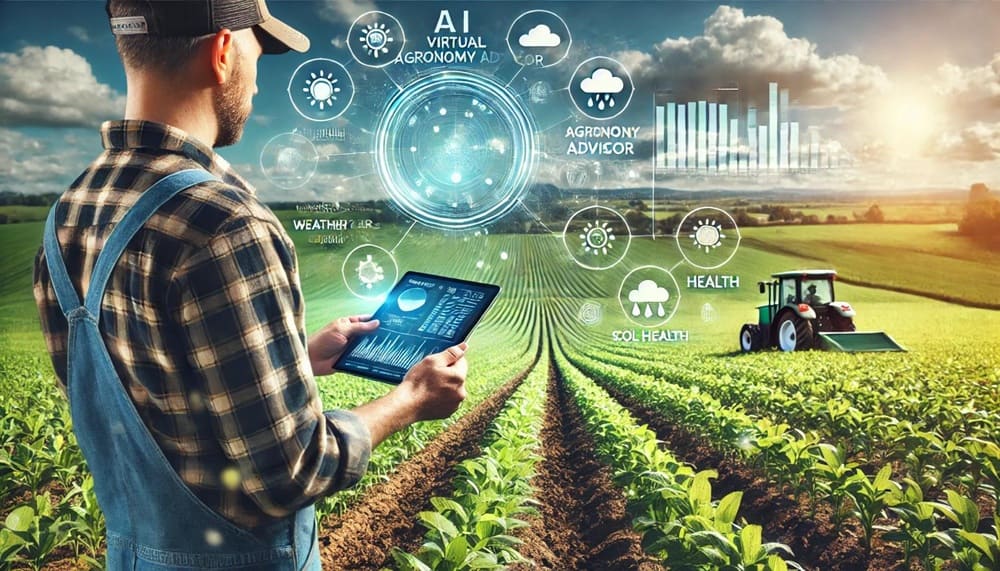
In agriculture, AI is integrated into unmanned aerial vehicles (drones) to perform precision spraying and fertilization at specific target locations. Smart sensor systems combined with AI enable the real-time measurement of soil moisture and nutrients, reducing manual labor for farmers. This technology optimizes crop yields and minimizes negative environmental impacts caused by chemical excess.
Artificial Intelligence Help to Save Lives
This is one of the best benefits of artificial intelligence. By assisting in the more accurate forecasting of natural disasters like hurricanes, tornadoes, and floods, it can accomplish this. Local governments can use early detection to determine whether or not to evacuate individuals from danger zones. AI has even been used to help figure out when and where aftershocks from earthquakes can occur.
Limitations of Artificial Intelligence
Despite its immense benefits, the implementation of AI faces significant hurdles and implications that require careful management:
- Lack of Empathy and Ethical Awareness: AI operates based on algorithms and data, lacking human emotions, nuance, and ethical judgment. This poses a major challenge in fields requiring deep psychological understanding or decisions with significant humanitarian impact.
- Privacy and Security Risks: For AI to function effectively, it requires massive input datasets. Centralizing and processing vast amounts of personal information increases the risk of data breaches, cyber-attacks, or unauthorized use of information, directly impacting user privacy.
- Impact on the Labor Market: The rise of AI-integrated automation has the potential to replace humans in repetitive or manual labor roles. This presents challenges regarding career transitions and the risk of labor market imbalances if the workforce does not adapt in time.
- Algorithmic Bias and Data Objectivity: AI reflects exactly what it learns. If the input data contains social biases or inaccuracies, the system will produce unfair results, leading to discrimination in processes such as recruitment, credit approval, or law enforcement.
The Future Potential of Artificial Intelligence
The evolution of AI is moving toward critical milestones, promising to fundamentally reshape the operations of global society. Current development trends are shifting strongly from Narrow AI—designed for specific tasks—to Artificial General Intelligence (AGI), which possesses the capacity for autonomous learning, multitasking, and solving complex problems on par with human intelligence.
In the future, AI will function as an intelligent supporting entity, partnering with humans to optimize climate change forecasting models, discover new materials, and support space exploration missions. The next era of AI is not one of replacement but of strategic synergy, where human creativity merges with machine efficiency to open a brilliant new chapter for human civilization.
Artificial Intelligence has solidified its role as the driving force behind optimized business operations and improved quality of life. Despite remaining challenges, strategic AI implementation is the key to unlocking performance breakthroughs and building sustainable competitive advantages in the digital age.
To realize your potential and maximize technological value, contact Lifesup AI today. Lifesup. AI provides comprehensive AI solutions to help your business undergo a more powerful and efficient digital transformation.
Read more: Top 7 AI Solution Providers You Should Know in 2026