

Artificial intelligence has emerged as a game-changer across many industries, and retail is no exception. With its ability to automate processes, analyze massive amounts of data, and deliver personalized experiences, AI is transforming the way retailers operate and interact with customers.
Join Lifesup in diving deep into the role of AI in retail, exploring its impact on customer experience, inventory management, supply chain operations, and the exciting areas of AR product visualization and AI in shopping.
Optimizing inventory management
Artificial intelligence (AI) is driving a major breakthrough in inventory management within the retail industry. By leveraging predictive analytics and AI-powered demand forecasting, AI in retail enables retailers to accurately determine optimal stock levels at any given time, minimizing excess inventory, reducing shrinkage, and cutting waste.
A notable example is global retail giant Walmart, which uses AI algorithms to analyze historical sales data, weather patterns, and even social media trends to forecast customer demand more precisely. This enables Walmart to maintain optimal inventory levels, ensure consistent product availability, and enhance the overall customer shopping experience.
Streamlining supply chain operations
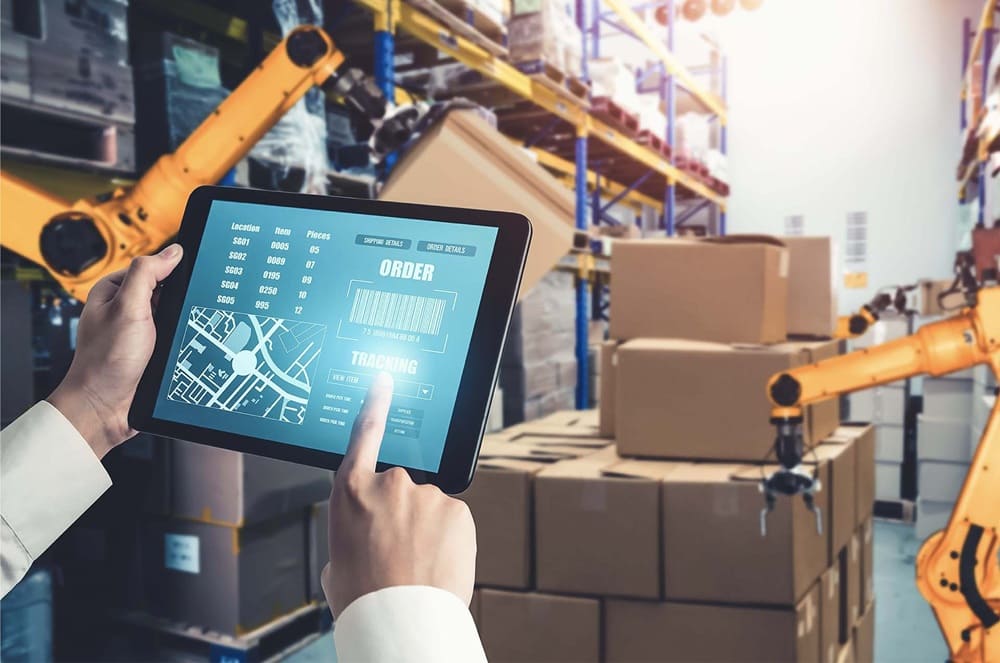
The impact of AI in retail extends beyond inventory management to optimizing supply chain operations. Machine learning and computer vision technologies enable retailers to achieve greater efficiency in route planning, predictive maintenance, and real-time inventory tracking.
For example, DHL, a leading logistics company, uses AI algorithms to optimize its delivery routes, taking into account various factors such as traffic patterns, weather conditions, and package sizes. This AI-based approach has helped DHL streamline supply chain operations, reduce costs, and improve delivery speeds.
Personalized marketing campaigns
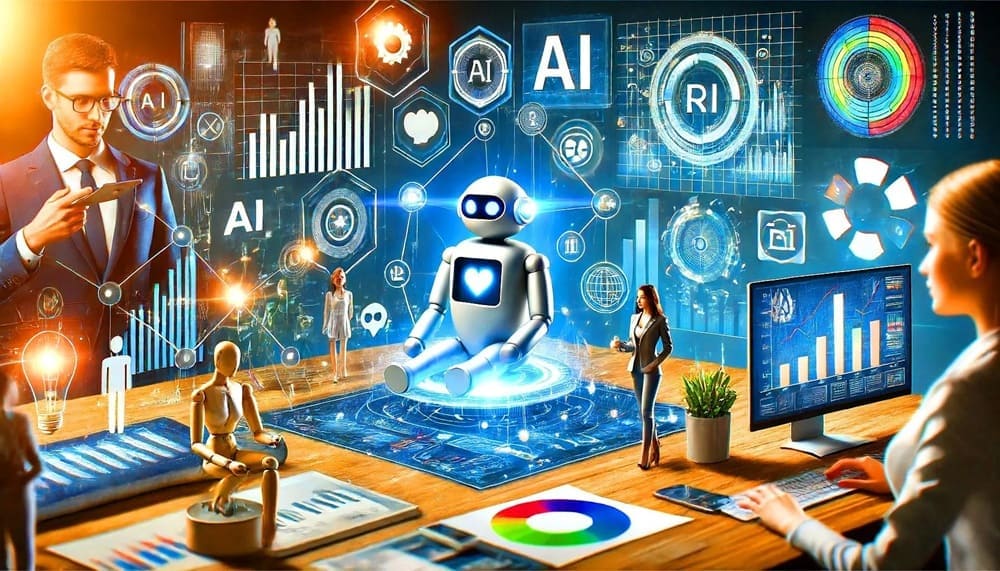
AI enables businesses to deeply analyze customer data such as purchase history, personal preferences, and browsing behavior across multiple channels. Based on these insights, intelligent algorithms help marketers design and execute highly targeted, personalized marketing campaigns that reach the right customers at the right time with the right message.
Amazon is a prime example of successful AI in retail marketing. By leveraging AI-powered recommendation algorithms tailored to individual user behavior and preferences, Amazon has significantly increased sales while enhancing customer experience and satisfaction. This approach allows retailers to better understand their customers, deliver relevant product recommendations, improve conversion rates, and build long-term customer loyalty.
AI in pricing optimization
Pricing strategy plays a critical role in the success of the retail industry, and AI in retail is fundamentally transforming this area. AI algorithms can simultaneously analyze complex data such as market trends, competitors’ pricing, consumer behavior, and price sensitivity to develop optimal pricing strategies.
According to McKinsey, AI-driven pricing and promotion models have the potential to generate global economic value ranging from USD 259.1 billion to USD 500 billion. By leveraging AI in retail, many modern e-commerce businesses are now able to implement dynamic pricing in real time, automatically adjusting prices based on fluctuations in supply and demand and changing market conditions. This approach enables retailers to remain price-competitive while maximizing revenue and profit margins.
AI in shopping
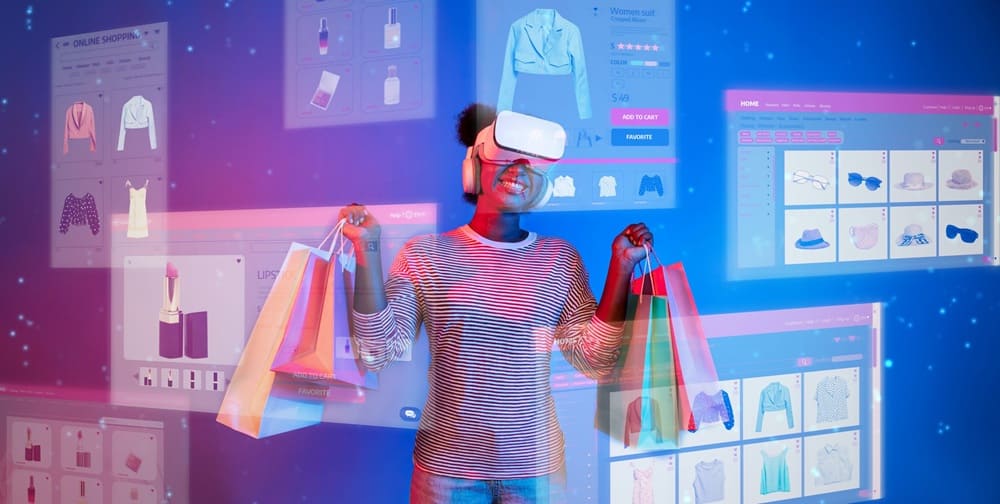
AI is driving significant breakthroughs in the shopping sector, reshaping how customers interact with brands. Technologies such as virtual try-ons, personalized style recommendations, and AI-powered shopping assistants are making the shopping journey more convenient, intuitive, and engaging.
For example, ASOS, a leading online fashion retailer, leverages AI algorithms to deliver personalized style recommendations to its customers. By analyzing browsing behavior, purchase history, and individual preferences, AI enables ASOS to suggest the most relevant products, enhancing the overall customer experience while helping shoppers save time and make faster, more confident purchasing decisions.
AI Chatbots & virtual assistants enhancing customer service
In the retail industry, one of the most impactful applications of artificial intelligence lies in chatbots and virtual assistants for customer service. These AI-powered tools enable businesses to provide 24/7 support, deliver instant responses to customer inquiries, and personalize interactions based on individual needs and behaviors. As a result, AI in retail helps create a more seamless, convenient, and consistent shopping experience across all customer touchpoints.
For example, Sephora, a leading global beauty retailer, has implemented AI-powered chatbots across its website and mobile app to offer personalized beauty advice, product recommendations, and virtual try-on experiences. This AI-driven approach not only helps customers make faster purchasing decisions but also significantly boosts customer engagement, satisfaction, and sales performance.
Read more: AI Retail – Optimizing Operations & Driving Sustainable Growth
The future of AI in retail
As technology continues to evolve, artificial intelligence (AI) will remain a core driver of innovation in the retail industry, fundamentally reshaping how retailers operate, make decisions, and engage with customers. Beyond automating existing processes, AI is enabling new business models—from intelligent omnichannel retail to real-time personalized shopping experiences.
In the future, retailers that effectively leverage AI will gain a significant competitive advantage in demand forecasting, supply chain optimization, dynamic pricing, and customer experience enhancement across all touchpoints. At the same time, the convergence of AI with big data, IoT, and digital platforms will allow businesses to respond more quickly and accurately to market changes and shifting consumer behaviors.
To stay competitive in the AI-powered retail era, retailers must proactively invest in technology, closely monitor emerging trends, and continuously adapt to change. Applying AI strategically and responsibly will be key to achieving sustainable growth and strengthening market positioning.